
The World Health Organization’s Pandemic Agreement, adopted in May 2025, aims to reset global rules for pandemic preparedness after COVID-19 pandemic. The treaty establishes shared commitments on surveillance, information sharing, research and development, manufacturing, supply chains, and equitable access to medical countermeasures during public health emergencies. Central to the agreement is the Pathogen Access and Benefit-Sharing (PABS) system, which governs how countries share pathogen data and benefit from resulting vaccines, diagnostics, and treatments.
Yet, as African countries face persistent gaps in financing for health security, new bilateral arrangements with external partners are raising questions about equity, legal clarity and access to these benefits.
The importance of PABS is most evident in Africa’s experience during the COVID-19 pandemic. When South African scientists shared data on the Omicron variant of SARS-CoV-2 within days of its detection, the discovery gave the world a crucial head start in understanding the virus. Yet the region faced immediate travel bans, while access to vaccines and other medical countermeasures remained constrained. For many African policymakers, the PABS system is meant to prevent a repeat of that imbalance, ensuring that countries providing critical outbreak information are not left waiting at the back of the queue for vaccines, diagnostics, and treatments.
However, as negotiations over the PABS annex continue, the absence of an operational multilateral framework is creating space for bilateral agreements and other arrangements outside the PABS framework. In several African countries, new bilateral health agreements that include provisions on surveillance, data sharing, and research collaboration are being pursued. Some of these arrangements do not include binding benefit-sharing commitments, and without such safeguards there is a risk of reproducing the very imbalance the PABS system is intended to address.
Africa’s Role in Global Pathogen Surveillance
According to a diplomatic official familiar with the negotiations, Africa is often at the centre of global discussions on infectious disease, accounting for 25% of the global disease burden. As a result, pathogen samples and genomic sequence data generated on the continent are highly valuable for global research and pharmaceutical development. Early access to such data can provide countries with an important scientific advantage in developing countermeasures and strengthening national preparedness.
This strategic importance also shapes the implications of new U.S bilateral partnerships emerging across parts of Africa. While these agreements can bring much-needed financial and technical support to national health systems, they may also create uneven exchanges. Countries providing outbreak information could enable external partners to gain early access to pathogen data that supports research and development, without binding obligations to share the vaccines, diagnostics, or treatments ultimately developed from that information.
The emergence of these bilateral arrangements has intensified the importance of ongoing negotiations over the Pathogen Access and Benefit-Sharing (PABS) system. The framework is intended to establish a multilateral mechanism linking access to pathogen materials and genetic sequence data with more predictable benefit-sharing obligations, including access to vaccines, diagnostics, and treatments resulting from their use.
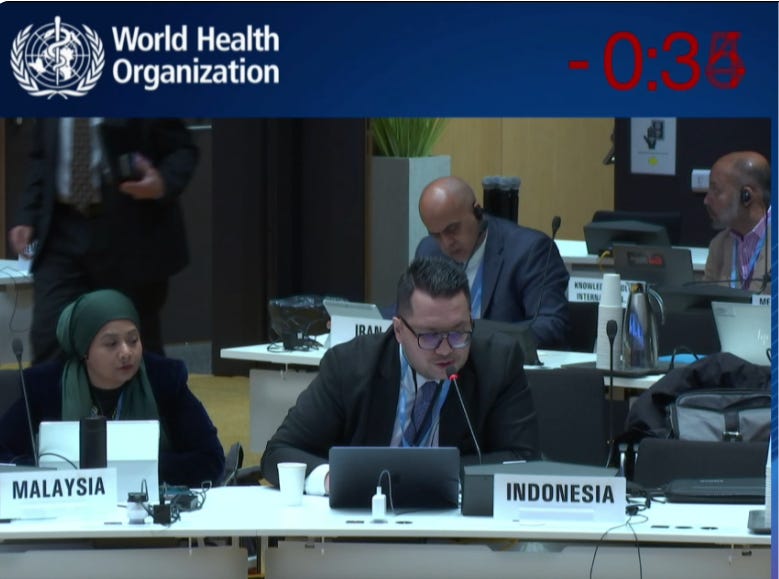
During the fifth session of the Intergovernmental Working Group negotiating the Pandemic Agreement, some member state blocs signalled that they were unwilling to compromise the PABS annex simply to meet the Seventy-Ninth World Health Assembly deadline. While acknowledging progress in the current draft, they argued that significant gaps remain, particularly around legal clarity, enforceability, and the rights and obligations of both providers of pathogen materials and users of the system. Speaking on behalf of the Group of Equity and the African, Eastern Mediterranean and South-East Asia regions, Indonesia cautioned:
“Legal certainty cannot be something we simply hope to settle down the road…we understand the pressure of timelines, but we should also be clear on the choices and decisions in front of us. We are aiming for an annex by May that can deliver a functioning PABS system in totality, but if we cut too many corners now, we will pay for it later in credibility and implementation”
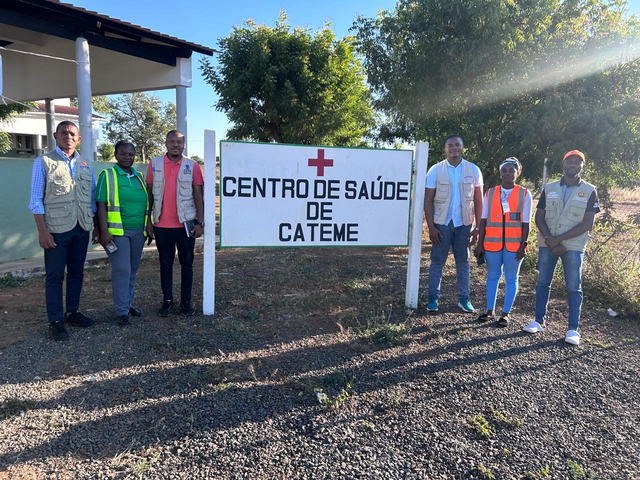
Negotiators’ emphasis on legal clarity is essential, the diplomatic official noted, but even a robust PABS framework can only succeed if countries have the capacity to detect, report, and share pathogen data in a timely manner. African countries continue to face gaps in laboratory infrastructure and workforce capacity, and in some cases, pathogen samples must travel across borders before they can be analysed in certified laboratories, delaying outbreak detection and response.
At the same time, several African countries have recently signed bilateral memoranda of understanding with the United States that include provisions related to surveillance cooperation and specimen sharing. These agreements are emerging in parallel to ongoing negotiations on the PABS system. While some of these MoUs are now publicly available, the specific provisions governing specimen sharing have not been fully disclosed.
The diplomatic official also highlighted workforce shortages as another structural constraint. According to the World Health Organization (WHO) Health Workforce Support and Safeguards List 2023, 55 countries, including many in Africa, have critical health worker shortages, defined as fewer than 49 health workers per 10,000 population, and require priority safeguards against active international recruitment. Despite these protections, large numbers of trained professionals continue to migrate to high-income countries, leaving already strained health systems with limited personnel to support surveillance, diagnostics, and outbreak response.
Without sustained investment in surveillance networks, laboratories, and public health institutions, early detection of outbreaks will remain difficult regardless of the international rules governing pathogen sharing.
Why This Matters
Africa’s contribution to global pathogen surveillance is invaluable, but without a robust PABS framework, there is a risk that countries sharing critical outbreak information could be left behind when vaccines, diagnostics, or treatments are distributed. Bilateral arrangements may offer short-term support, but they cannot replace a legally binding, multilateral system designed to ensure more equitable access to pandemic countermeasures.
At the same time, national capacity remains essential. Laboratories, surveillance networks, and trained health workers are the backbone of effective outbreak detection and response. Persistent gaps in these systems, alongside the migration of health professionals, continue to limit Africa’s ability to detect and respond to emerging health threats quickly. Ultimately, a functioning PABS system must be matched by stronger national health infrastructure. Without sustained investment in laboratories, surveillance systems, and the health workforce, the inequities seen during COVID-19 could easily be repeated in future pandemics.
Subscribe to Africa Health Watch
Get the latest health policy analysis and investigative journalism delivered straight to your inbox.
We respect your privacy. Unsubscribe at any time.