
The closing plenary of the World Health Summit Regional Meeting 2026 in Nairobi brought three days of discussion to an end with a clear sense of direction. Held from 27-29 April, the meeting moved across high-level sessions, plenaries, keynote addresses and concurrent discussions, drawing participants into conversations that ranged from policy to practice. By the final session, the message was no longer about identifying gaps, but about response.
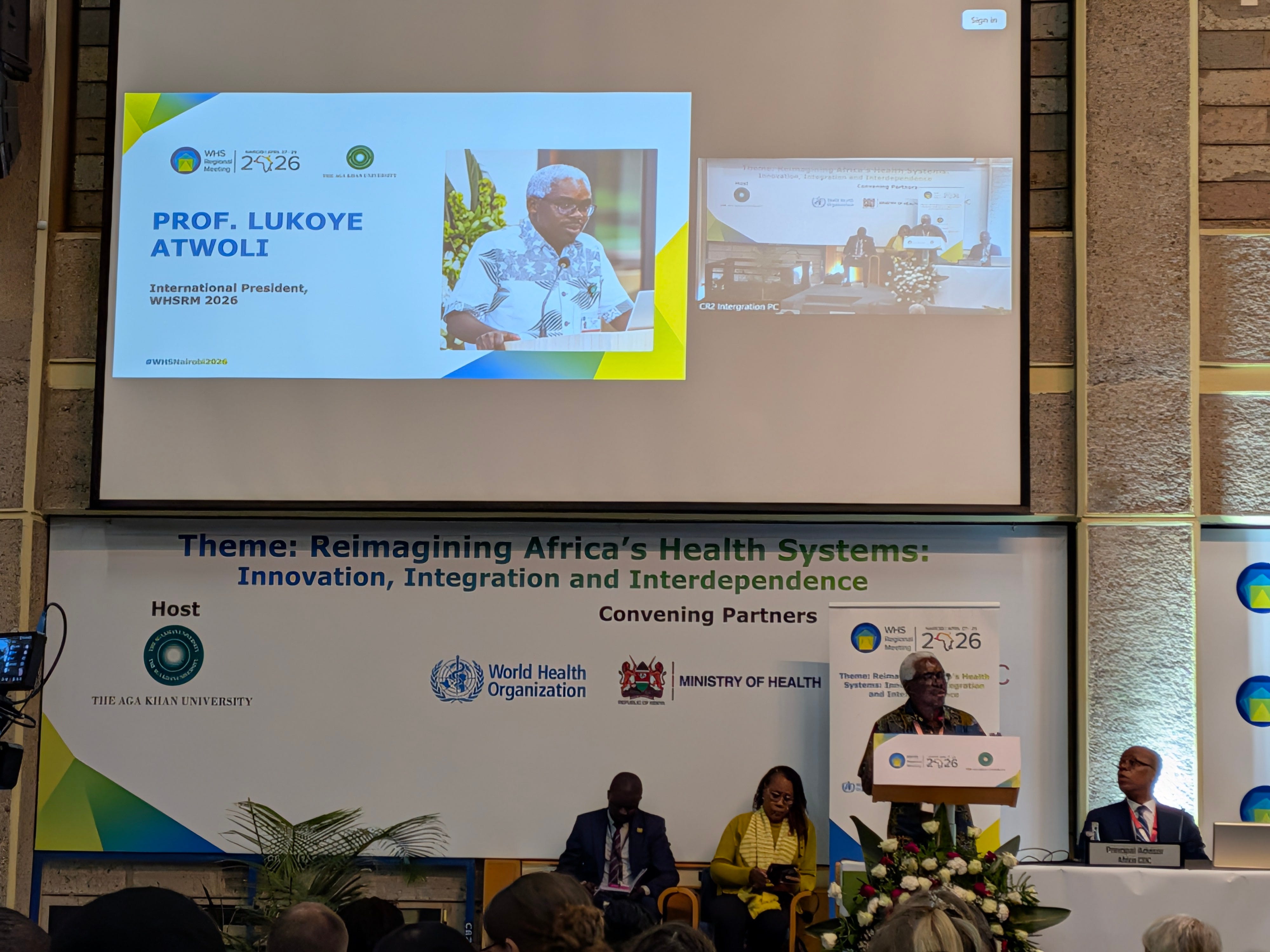
Prof. Lukoye Atwoli, International President of WHSRM 2026, pulled the conversation away from comfort. “One of the unspoken intentions of this convening” he said “is to make people a little uncomfortable by having difficult conversations.”
With over 3,000 participants, the scale of the gathering was evident, but for Atwoli, the convening’s significance also lay in the specific actions that would follow.
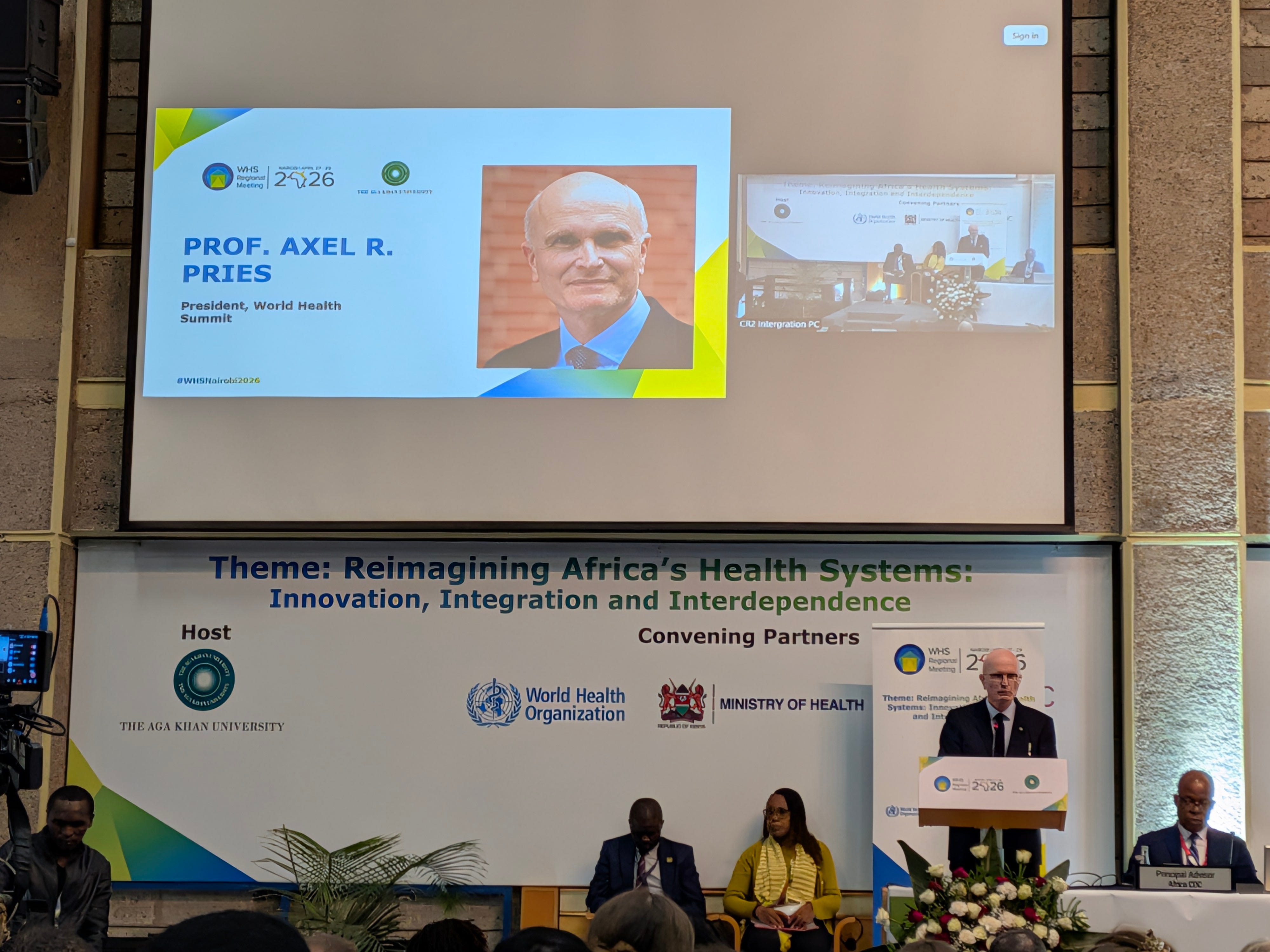
Prof. Axel R. Pries, President of the World Health Summit, followed by situating that responsibility within a wider shift. He emphasised that Africa’s health sovereignty can only be built through partnerships within countries, across regions and between sectors. He pointed to the need to move beyond fragmented, under-resourced arrangements toward more coordinated, sustainable and transparent systems that deliver at scale.
The Regional Director for WHO AFRO, Dr. Mohamed Janabi, brought the point down to practice. He noted that the summit showed what alignment can look like when governments, institutions and regions work together. For the first time, three WHO regions – AFRO, EMRO and Europe – came together around a shared agenda, reinforcing the idea that health threats do not respect borders and cannot be addressed in isolation.
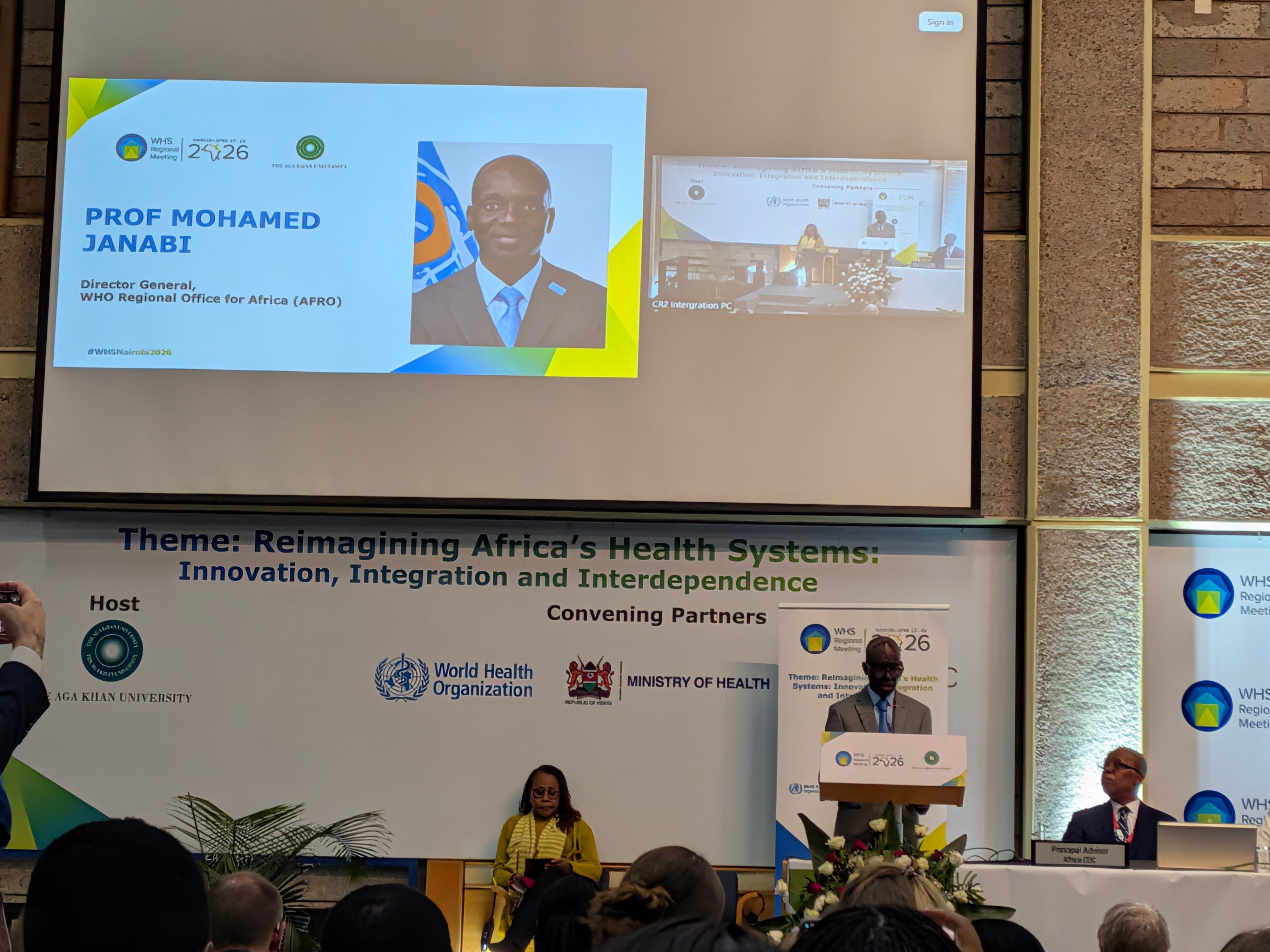
“Telling people to wash hands means little if water is kilometres away,” he said, pointing to work in the Democratic Republic of Congo where partners installed water infrastructure, upgraded laboratories and strengthened local health facilities during an outbreak. The result was not just containment, but a more resilient system left behind.
By the time Deputy President of the Republic of Kenya, Prof. Kithure Kindiki took the floor, that message had settled into something firmer:
“The message from Nairobi 2026 is simple and direct. Africa’s health future will not be given to us. It will be built by us. It will require political courage, institutional discipline, sustained investment and an unshakable conviction that African lives matter equally on the global stage.”
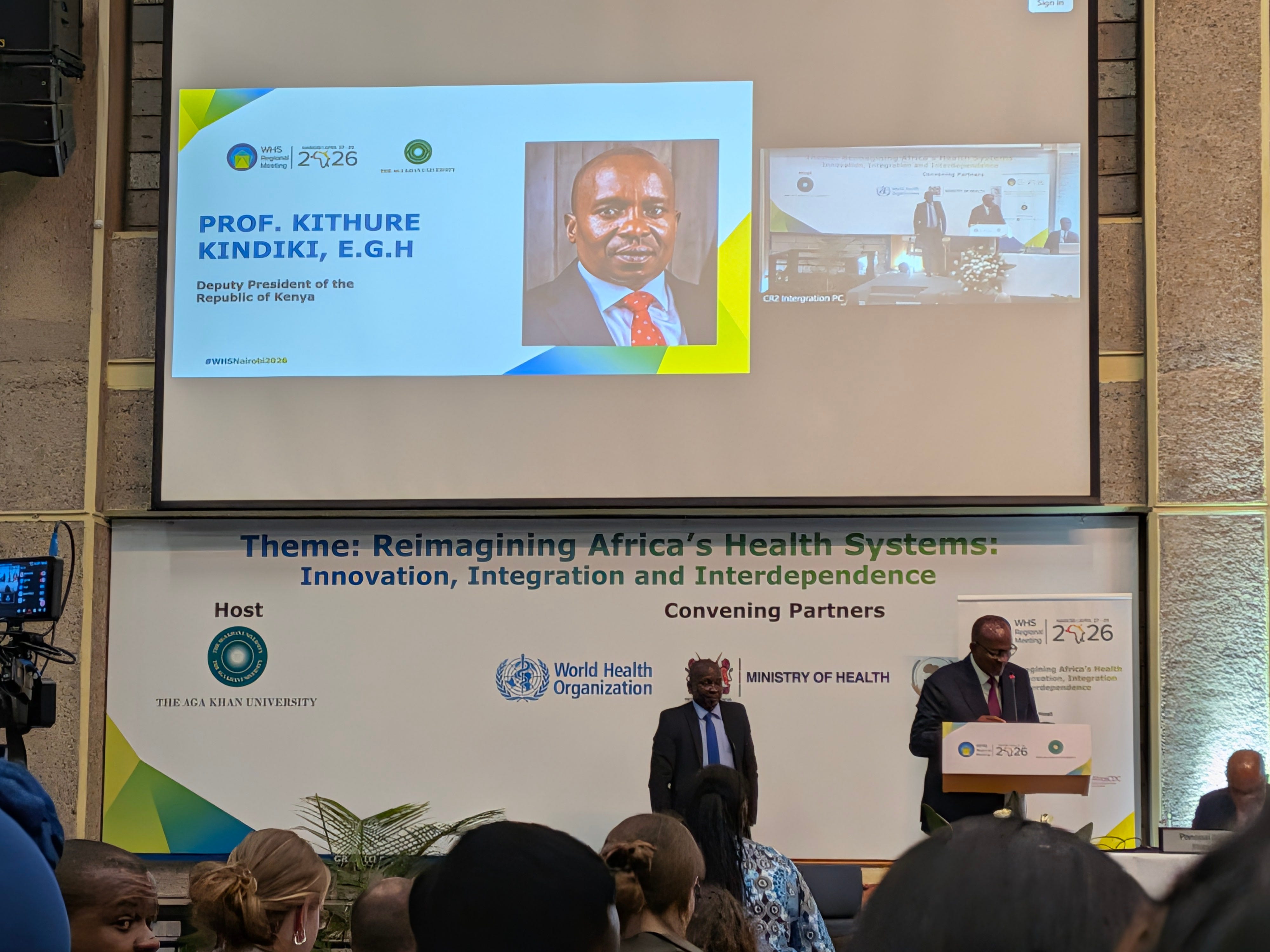
His remarks brought together the key issues raised over the three days. Domestic financing, local manufacturing, and stronger institutions were no longer treated as aspirations but were presented as conditions for progress.
The summit also surfaced tangible signs of movement. Two stand out: the launch of a continental immunisation strategy and the establishment of a high-level ministerial committee on global health architecture reform.
What stood out in Nairobi was not the scale of the problem, but the direction of the response.
Whether that direction holds will depend on what follows — in how governments translate commitments into policy, institutions coordinate investment, and systems deliver in practice, not just on paper.