
At the World Health Summit Regional Meeting in Nairobi, a keynote session on “Manufacturing Health in Africa: Sovereignty, Scale and Supply Chains” made it clear that Africa is moving decisively toward producing its own vaccines and health products, but major challenges remain.
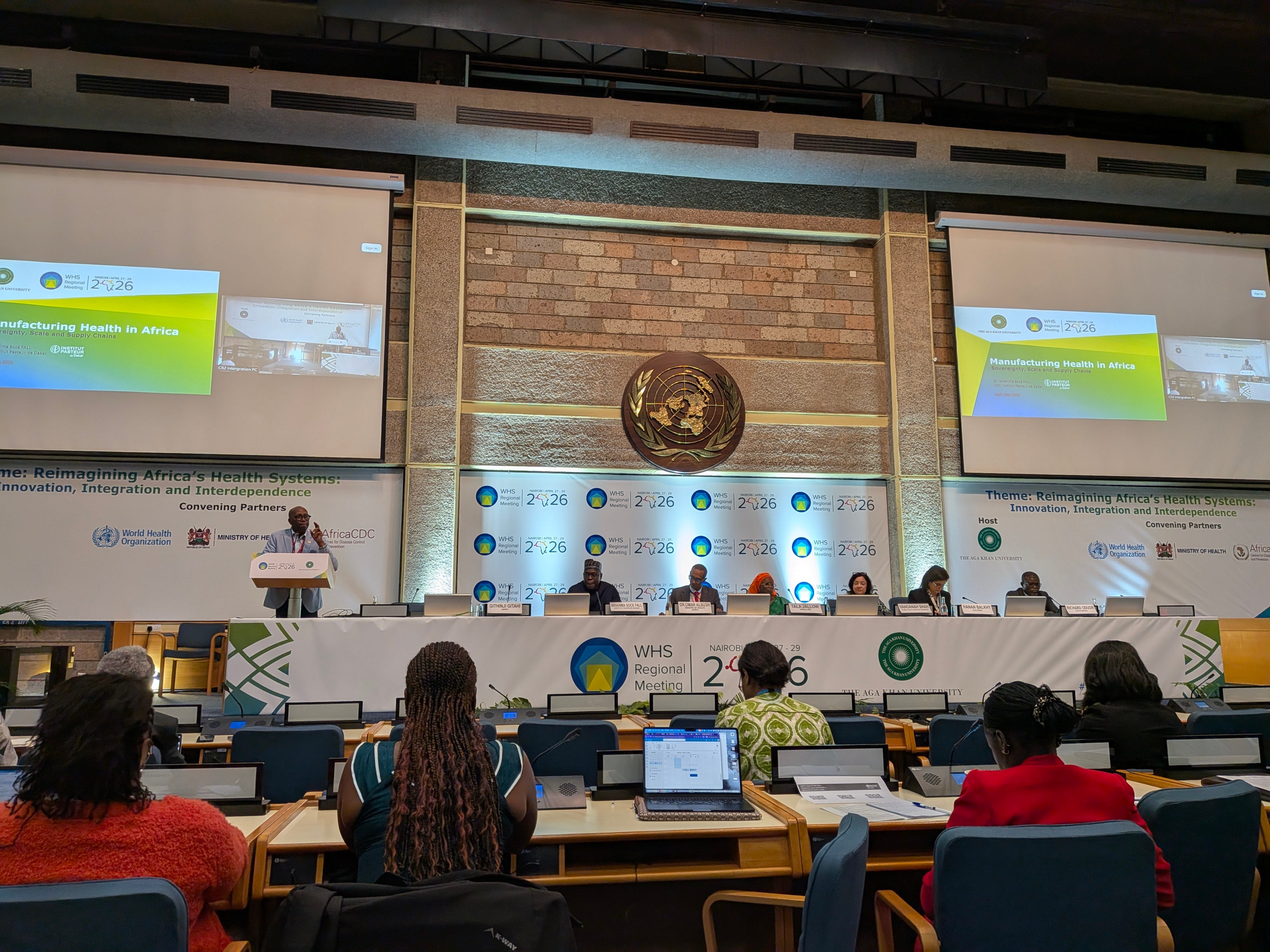
The conversation, moderated by AMREF Health Africa CEO, Dr Githinji Gitahi, began by highlighting the issue of trust. “Many Africans”, he noted, “still do not trust products made on the continent. It’s almost like the ones that are imported are more superior to the ones that we manufacture here and that narrative must change by creating globally acceptable quality products across the continent that are trusted.
Setting the tone for the session, Ibrahima Socé Fall, CEO of Institut Pasteur de Dakar (IPD), pushed back against the idea that sovereignty can simply be declared:
“Sovereignty cannot be just a slogan. We need to create the ecosystem. We need to be able to produce vaccine from end to end, starting with technical expertise, the talent and the workforce needed, this is the minimum requirement”
His point speaks to a deeper challenge facing African health systems. The shift from dependence on imported vaccines and diagnostics to building integrated, self-sustaining manufacturing capacity is complex. The COVID-19 pandemic exposed the risks of that dependence, as global supply chains faltered and African countries found themselves at the back of the queue for life-saving products.
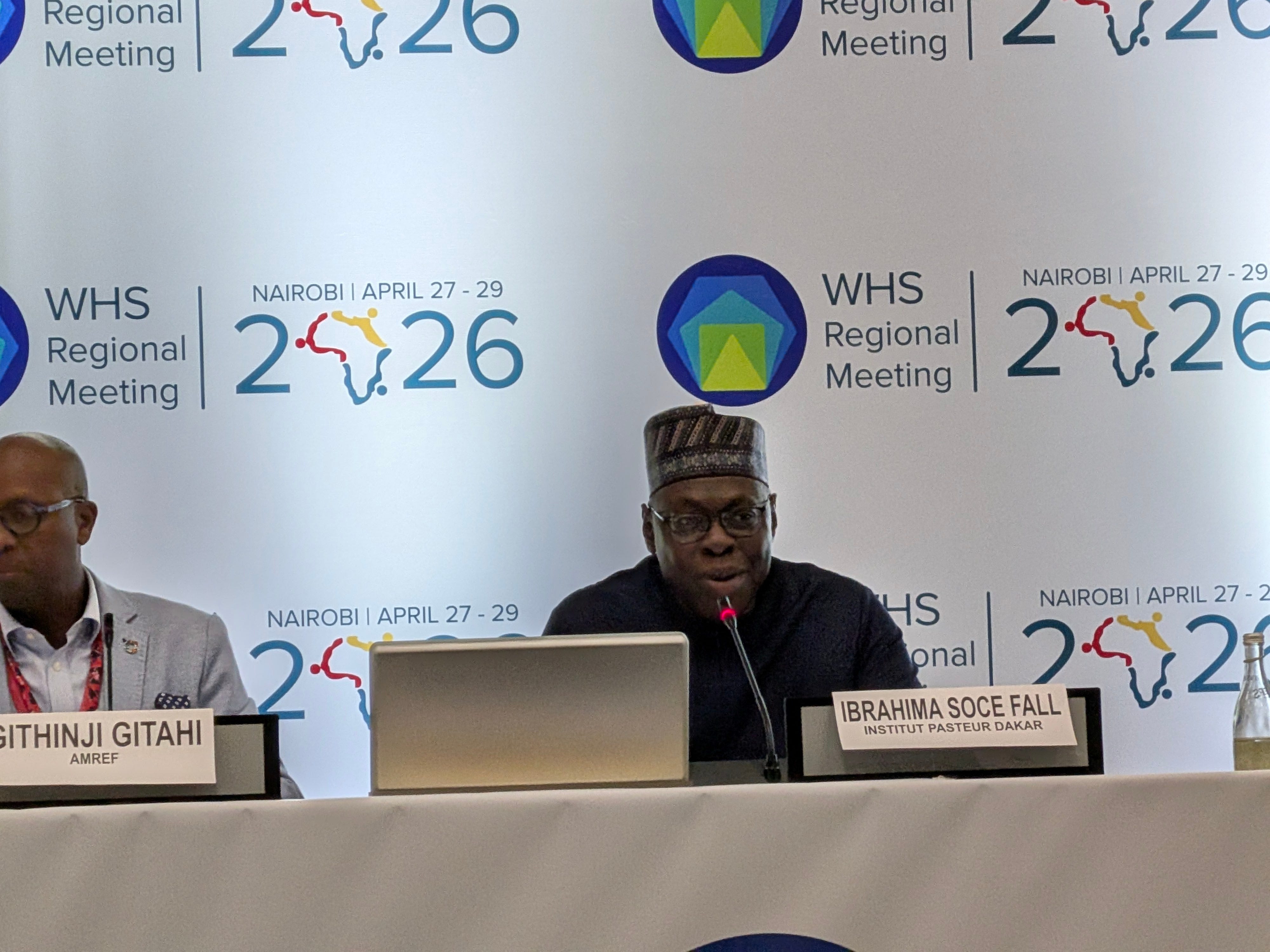
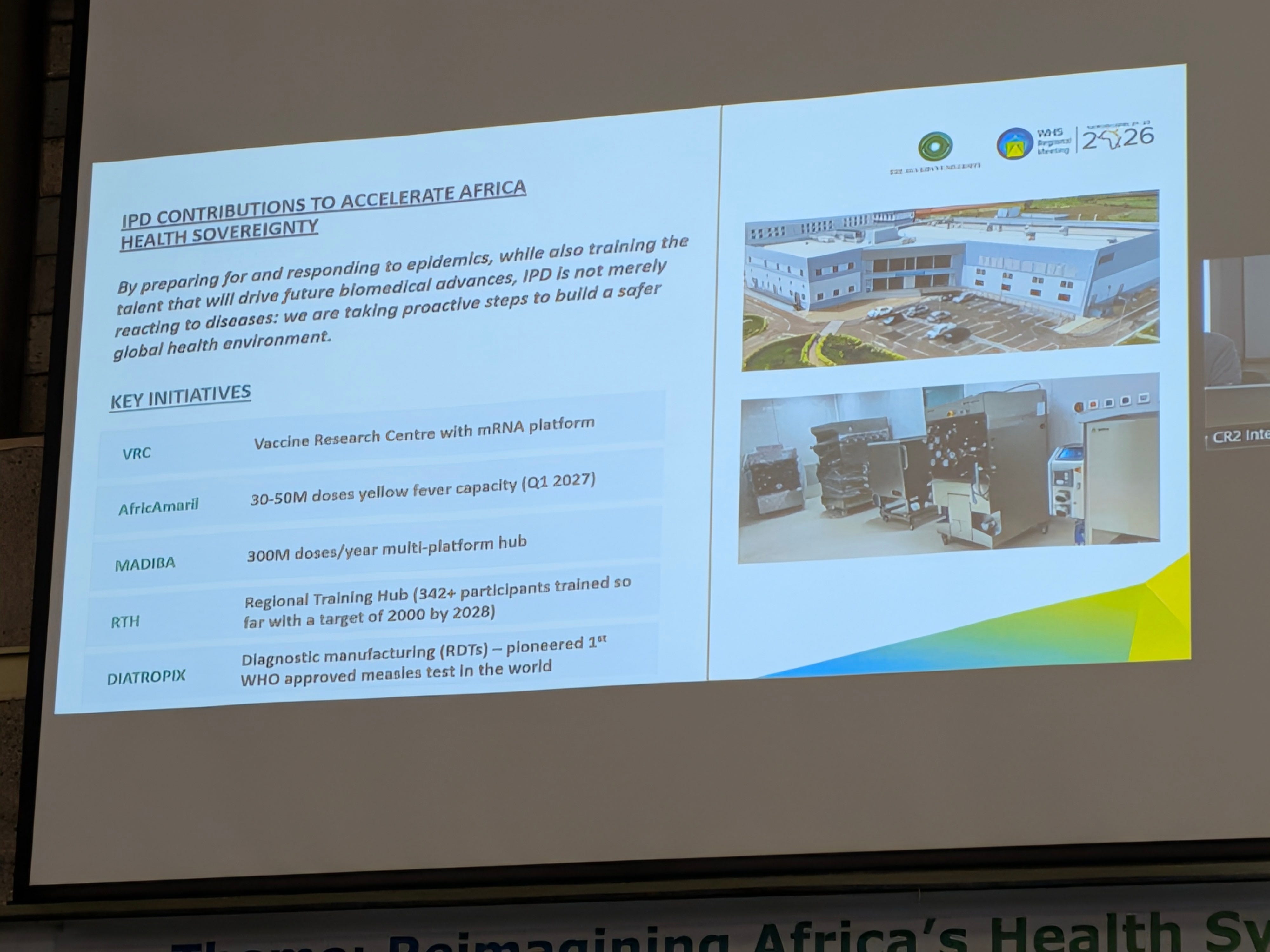
Fall pointed to Senegal’s experience as proof that progress is possible, while acknowledging how complex the path remains. At Institut Pasteur de Dakar, he noted, the organisation has expanded beyond its long-standing yellow fever vaccine production to invest in a vaccine research centre, clinical trials, and new candidates for diseases such as Marburg, Lassa fever and Rift Valley fever.
However, supply chains remain fragile and largely controlled from outside the continent. Africa still lacks a coherent market for its own products. Procurement systems dominated by global actors such as Gavi and UNICEF leave little room for African manufacturers to grow at scale.
Fall called for a continental approach. Countries need to align production with their comparative advantages and build a market that can sustain the industry over time.
From Kenya, Biovax Institute’s Richard Oduor reinforced the scale of the gap. Africa currently produces less than one percent of the vaccines it uses. Closing that gap would need more than infrastructure. It requires building capabilities across the entire value chain, from early-stage research and drug substance manufacturing to formulation, packaging, regulation and distribution.
For Biovax, the strategy is practical. Start where capacity already exists, such as fill and finish, then gradually build backward into more complex stages through technology transfer. Even this approach depends on sustained financing, strong negotiation capacity, and the ability to attract skilled talent back to the continent.
The session made one thing clear: Africa’s vaccine manufacturing ambitions will not be won in laboratories alone. They will be won in procurement rooms, policy conversations, and the long-term commitment to train and retain the scientists the continent is already producing. What remains missing is the coordinated architecture — the markets, financing, and political will — that turns isolated progress into continental self-reliance. Sovereignty, as Fall reminded the room, cannot be a slogan.
Subscribe to Africa Health Watch
Get the latest health policy analysis and investigative journalism delivered straight to your inbox.
We respect your privacy. Unsubscribe at any time.