
Every year, health ministers, heads of state, and global institutions gather in Geneva for the World Health Assembly. On the sidelines of the 79th World Health Assembly, Ghana’s President John Dramani Mahama convened a high-level event, “The Geneva Clarion call”, bringing together key stakeholders gathered in Geneva to discuss how the principles of the Accra Reset would be put into practice, shifting from fragmented donor-led systems toward more country-led healthcare delivery.
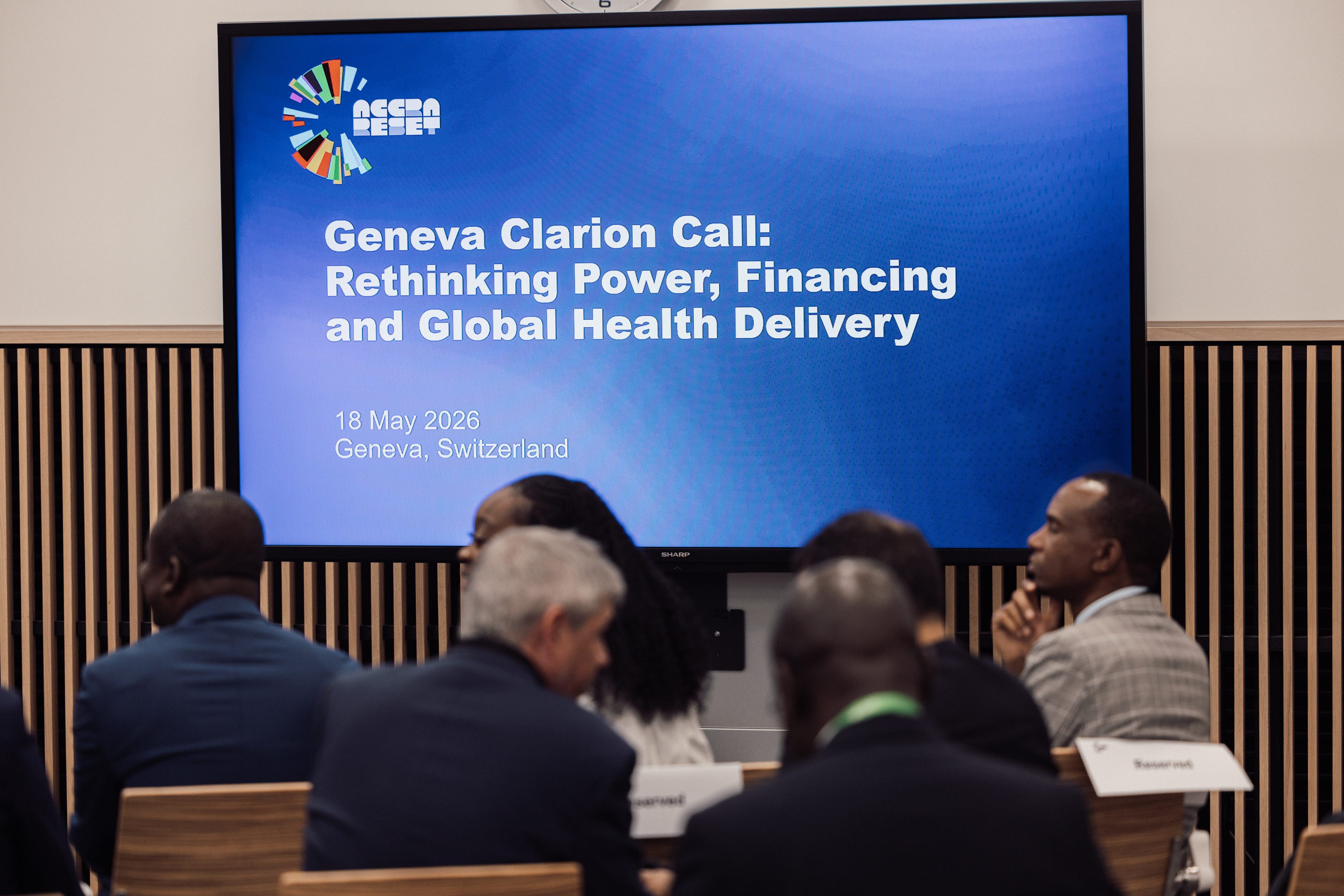
African Heads of State and global health leaders who gathered in Accra in August 2025 to reimagine a new global health architecture are now attempting to move the conversation declarations and political rhetoric. From the United Nations General Assembly in New York, to Davos, and now Geneva, the Accra Reset has evolved from a call for health sovereignty into a broader effort to reshape how global health systems are financed and governed. That shift was evident at the “Geneva Clarion Call”, convened by Ghanaian President John Dramani Mahama on the sidelines of the 79th World Health Assembly, where he outlined a three-pillar plan aimed at translating the ambitions of Accra Reset into practical action.
At the centre of the Geneva Clarion Call was a three-pillar framework designed to move the Accra Reset from political ambition to implementation. The pillars will seek to strengthen accountability, improve coordination among global health institutions, and mobilise financing aligned with country health priorities.
(i) A High-Level Panel made up of 18 experts from six continents, established to examine how global health reforms are being implemented. According to Mahama, the panel will report directly to heads of state, rather than the institutions under review, which have already started work.
(ii) The Reform Interlocking Observatory (RIO) a mechanism designed to track reforms across major global health institutions, including The Global Fund, Gavi, and the World Health Organization (WHO), with the aim of improving coordination and ensuring reforms align with country-level priorities.
(iii) The Health Investment National Gateway Enablers (HINGE), a platform focused on turning health priorities into investment-ready projects, particularly in maternal health and bio-innovation. The initiative aims to deliver bankable co-financed deals within 24 months, with the International Finance Corporation, Agence Française de Développement (AFD), and AfreximBank invited to support the first structured deal ahead of the 2026 UN General Assembly.
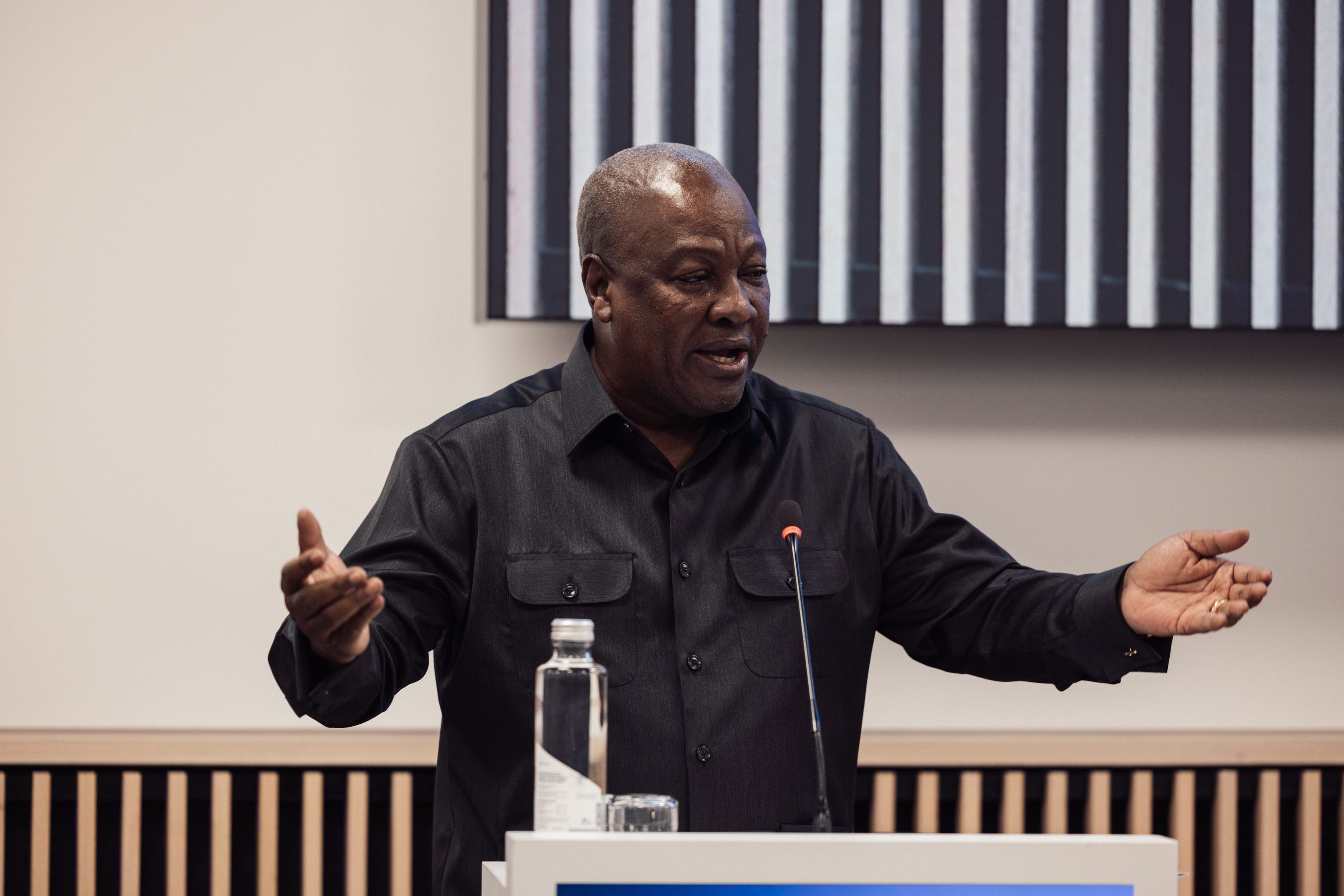
Yet, beneath the growing momentum, lies the difficult reality of how sovereignty will be implemented within existing systems. Dr Vanessa Kerry, CEO of Seed Global Health, presented preliminary findings from mapping the global health reform landscape. “Despite language around sovereignty and country ownership, the truth is those who control funding still shape priorities based on their own political pressures and interests”
Bringing global health institutions into focus, Executive Director of the Global Fund, Peter Sands described the Accra Reset as “raising the bar” for both countries and global health institutions. He pointed to Nigeria’s ongoing efforts to channel HIV and tuberculosis financing through the national health insurance scheme as an example of how vertical programmes are beginning to integrate into nationally led systems. Sands also announced a new Memorandum of Understanding between the Global Fund and Africa CDC focused on collaborative procurement models, combining regional purchasing with global-scale access where necessary.
Gavi’s CEO, Dr. Sania Nishtar explained Gavi’s ongoing reforms as an operational expression of the Accra Reset. “The Gavi Leap is basically Accra Reset in implementation,” she said, describing efforts to simplify processes, digitise systems, and place greater decision-making power in the hands of countries over vaccine priorities, financing, and technical partnerships.
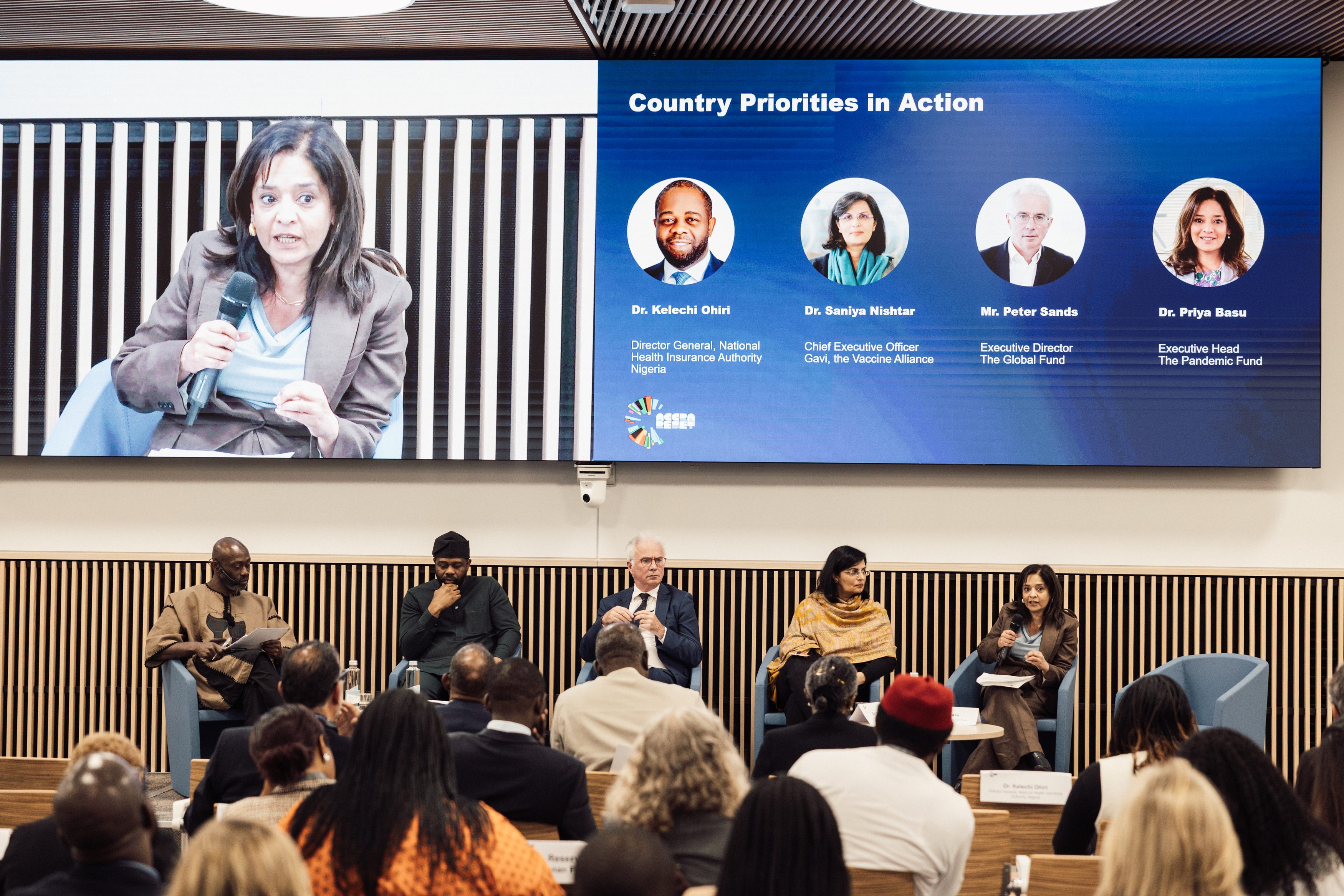
Priya Basu of the Pandemic Fund also explained the fund’s allocation of over $600 million across 27 African countries, with countries committing about $1.8 billion of their own resources. Basu explained the model is structured to crowd in financing from governments, multilateral banks, and global health partners, while ensuring countries retain control over how funds are used through nationally led budgeting and implementation processes.
Even as the Accra Reset pushed for stronger country ownership, President Mahama emphasised that sovereignty should not be mistaken for isolation:
“Some people feel that they can go on their own, but what you forget is that we are passengers in the same bus, and that bus is this globe. No country can live in isolation. There are some things we cannot deal with alone. We need to come together as a world to do that, and the only way we can do it is through the multilateral institutions that we have”
~ H.E John Dramani Mahama
Domestic Commitments
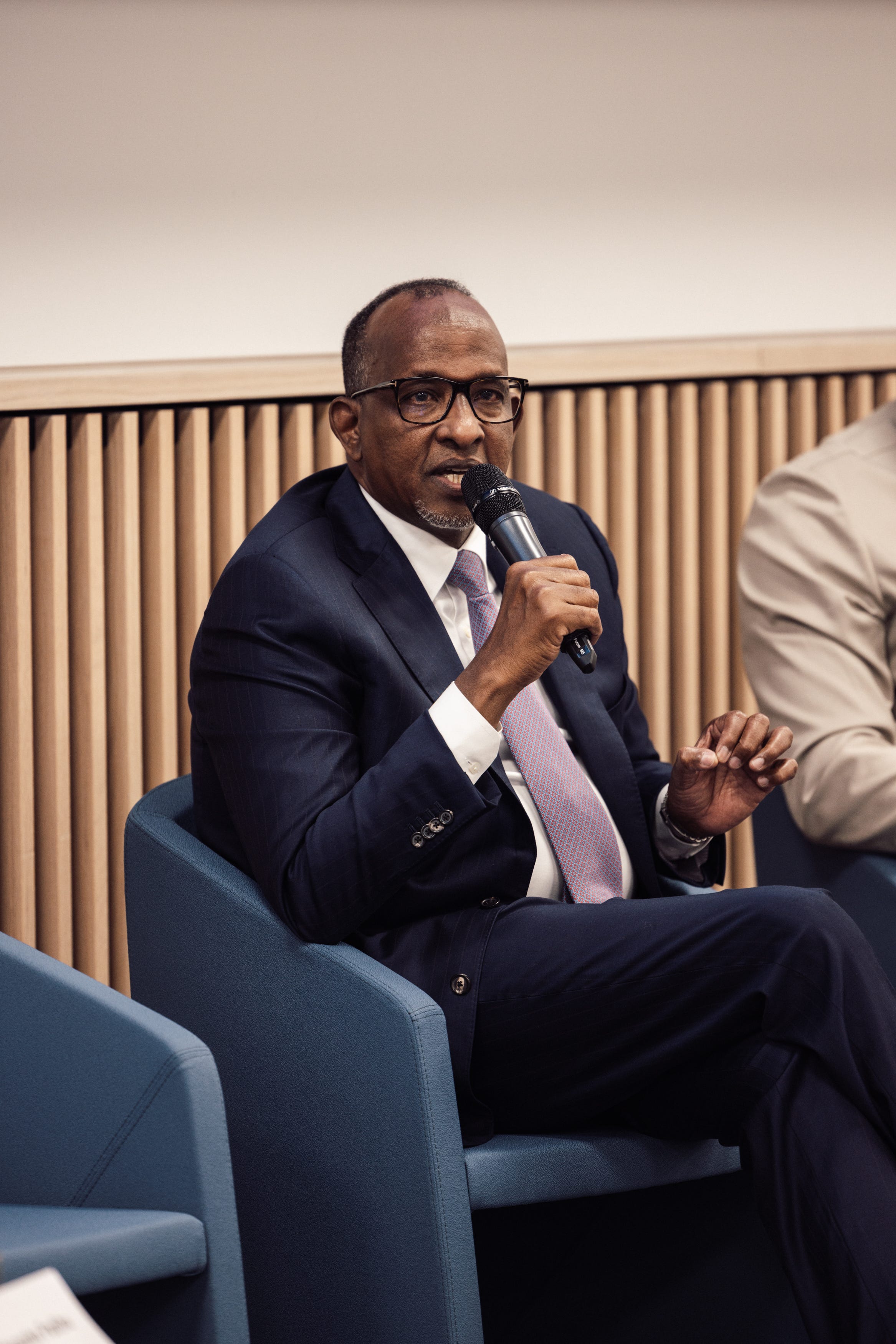
Across the room, ministers and health officials pointed to concrete domestic commitments. Ghana had uncapped an additional $300 million for healthcare investment. Kenya’s Health Minister, Aden Duale, said his country had mobilised the equivalent of $1.4 billion in domestic healthcare financing within 18 months, with 31.8 million Kenyans already registered under its social health insurance fund.
In Nigeria, Kelechi Ohiri, DG of the National Health Insurance Authority, highlighted the country’s Health Sector Blueprint and sector-wide approach, which has aligned federal and state governments, alongside development partners, under a single national framework. He also noted that the Nigerian Senate recently approved an increase in primary healthcare allocation from 1% to 2% of consolidated national revenue.
Why This Matters
The Accra Reset conversations are gaining political momentum at a time when the foundations of global health cooperation are shifting rapidly, and in ways that could either strengthen or undermine Africa’s sovereignty ambitions. As multilateral financing weakens, major powers like the United States are pursuing bilateral health agreements with individual African countries, often tied to financing, digital systems, supply chains, and data governance.
While these partnerships may offer immediate value for countries under pressure, they also risk fragmenting Africa’s collective negotiating power if pursued outside stronger continental coordination mechanisms. This points to why the role of the African Union and Africa Centres for Disease Control and Prevention now matters more than ever.
As the Accra Reset begins constructing a more formal governance architecture through its newly announced High-Level Panel and Consultative Group, a key test of success may be whether sovereignty can be institutionalised collectively as a region before external interests reorganise the system around fragmented national deals.