ECOWAS Health Ministers' Assembly: Experts Call for Regional Drug Resistance Network and Community-Centred Malaria Response

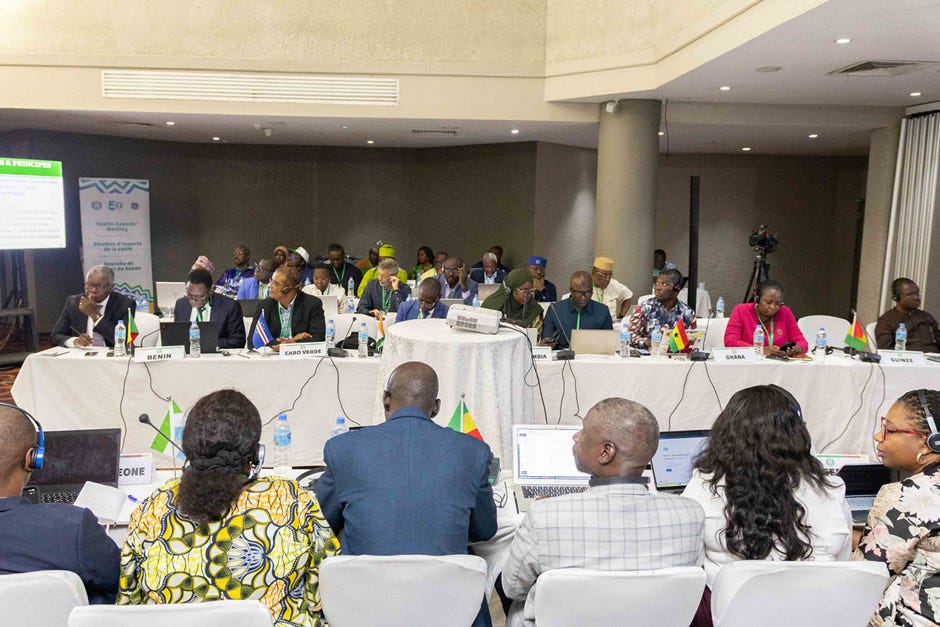
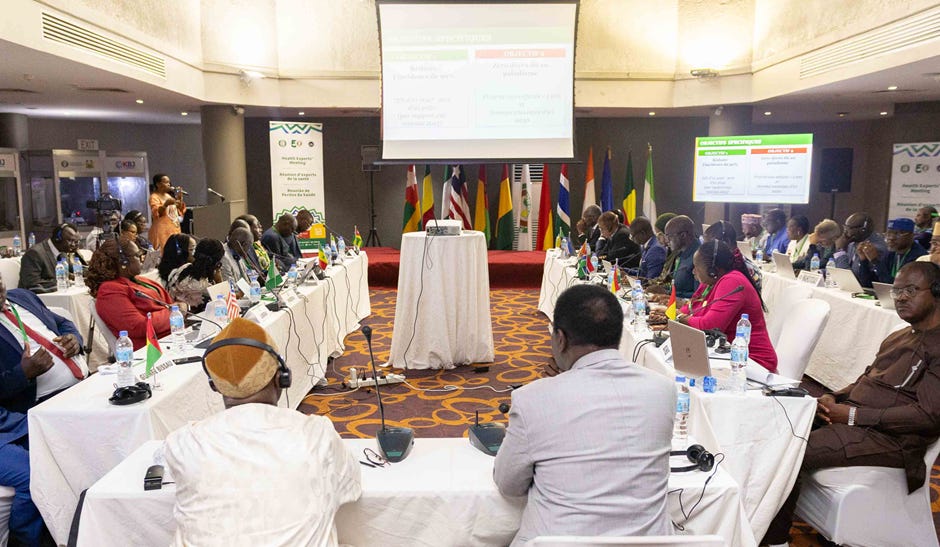
At the Health Experts Meeting of the 27th Ordinary Session of the ECOWAS Assembly of Health Ministers in Sierra Leone, delegates responded to Dr. Monique Murindahabi’s presentation on the Regional Malaria Elimination Framework with a wide-ranging discussion on drug resistance surveillance, community engagement, gender, and the financing gaps threatening implementation.
Drug resistance in West Africa is spreading and the region’s data systems are not keeping pace. Drug resistance is spreading across West Africa’s borders faster than the region’s surveillance systems can detect it.
This was the central concern raised during the session on West African Health Organisation's (WAHO) Regional Malaria Elimination Framework. A recurring call from health experts was for a regional network that allows Member States to share drug resistance data in real time. Strengthening monitoring committees to track both drug and insecticide resistance was seen as equally urgent. The reasoning was straightforward: resistant strains spread across borders faster than national surveillance systems can detect them. Without coordinated, cross-border data exchange, one country’s emerging resistance problem becomes a regional challenge.
Delegates stressed the need to translate these technical recommendations into ministerial-level resolutions to ensure formal adoption and accountability across Member States. Not recommendations that sit in a report - but commitments that bind governments to action.
“Each country already has its own national strategic plan. Our role as ECOWAS is to support, coordinate, and harmonise efforts across Member States.” said a WAHO Representative.
The conversation moved from data systems to the people those systems are meant to protect. Delegates emphasised the role of communities in malaria control - and specifically on who communities trust. Traditional and religious leaders, they argued, are central to health communication. Their formal integration into malaria strategies was strongly supported, with delegates noting that community acceptance of interventions, from bed-nets to vaccines, often hinges on endorsement from these figures.
Community health workers received similar attention. Already embedded at the front lines of care, they were recognised as essential actors in malaria surveillance. Delegates called for strengthened training and for malaria monitoring responsibilities to be formally incorporated into their roles, a practical step that costs relatively little but extends the reach of the entire framework.
Delegates called for the framework to explicitly address how gender shapes malaria exposure, healthcare access, and caregiving responsibilities. Urging that programming account for the different ways men and women experience and respond to malaria.
Private sector inclusion is also critical for the success of the framework, the experts emphasised. As private channels supply much of the region’s medicines, delegates raised concerns about the quality of medicines and the need for stronger regulatory compliance, noting that substandard and falsified medicines accelerate resistance. They called for local manufacturers to be engaged as active partners producing and supplying quality-assured medicines and commodities, reducing the region’s dependence on external suppliers.