
At the 27th Ordinary Session of the Assembly of Health Ministers of ECOWAS, Malaria elimination in West Africa was reframed as a structured, systems-driven agenda anchored on seven strategic pillars.
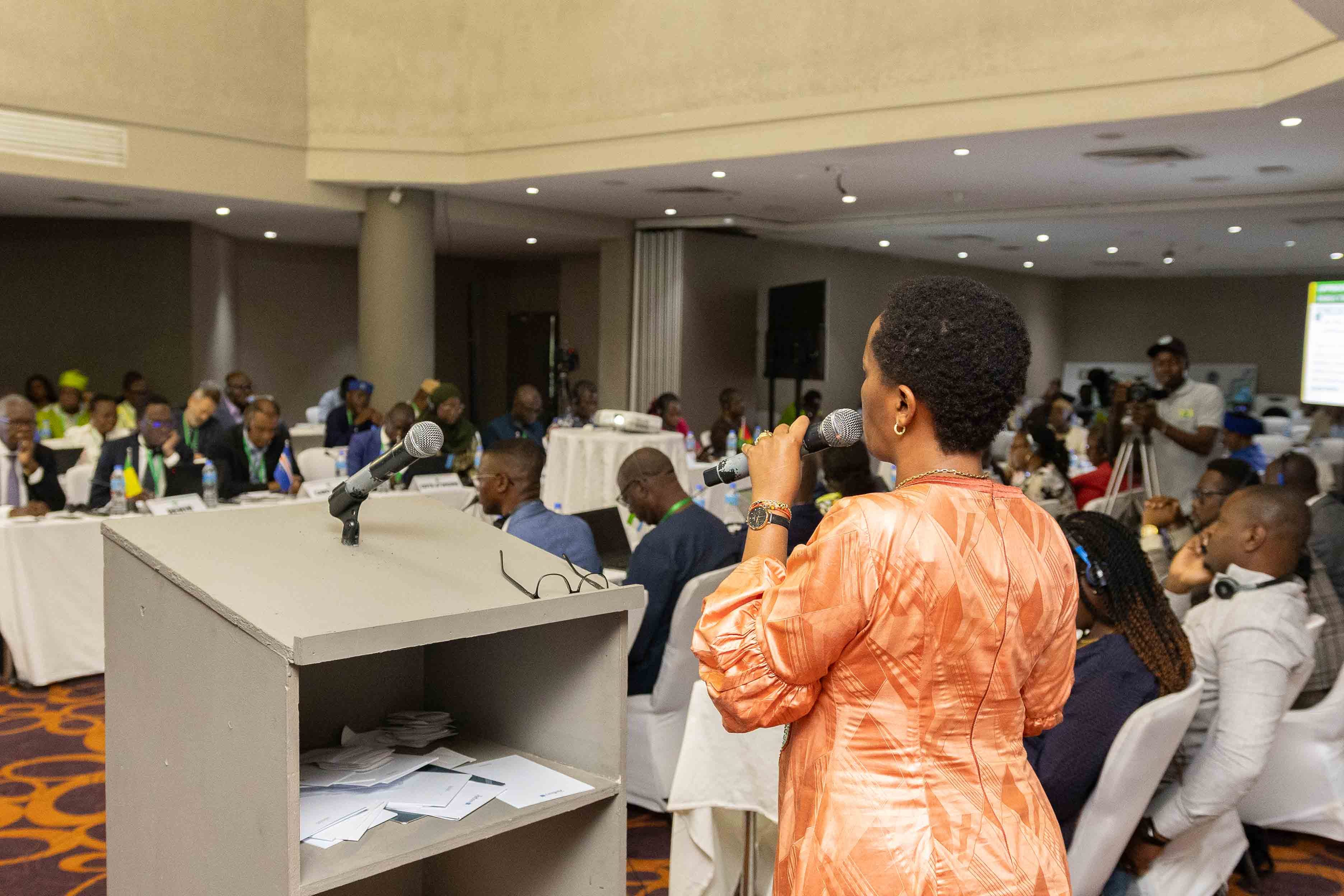
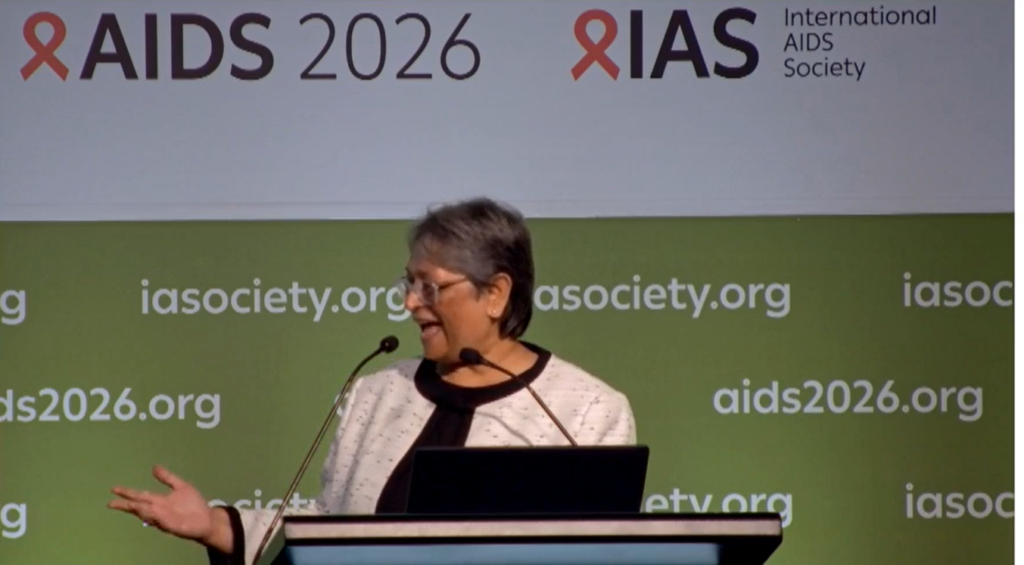
Dr Monique Murindahabi, Global Health Expert and Consultant, presented a regional framework designed to move countries from fragmented control efforts to coordinated elimination by 2030.
Developed through expert consultations in Conakry in March 2025, the framework positions governance, data, commodities, innovation, and financing as interconnected levers for impact rather than isolated interventions.
At the centre is Pillar One: Governance and Coordination, which Dr Murindahabi described as the foundation of progress. While political commitment already exists through the African Leaders Malaria Alliance, she stressed that the real test lies in implementation. She called for stronger regional coordination mechanisms and cross-border collaboration, given that malaria does not respect national boundaries.
“Cross-border coordination is essential. Without harmonised cross-border collaboration and notification systems, malaria elimination will not be possible”
~ Dr Monique Murindahabi
Pillar Two: Data Systems, Surveillance, and Resistance focuses on strengthening regional intelligence. Although countries have improved use of District Health Information Software 2 (DHIS2) platforms, she called for a real-time ECOWAS malaria dashboard and stronger integration of national data systems. She also warned of rising drug and insecticide resistance, urging expanded molecular surveillance, digital tools such as geospatial mapping, and improved cross-border reporting.
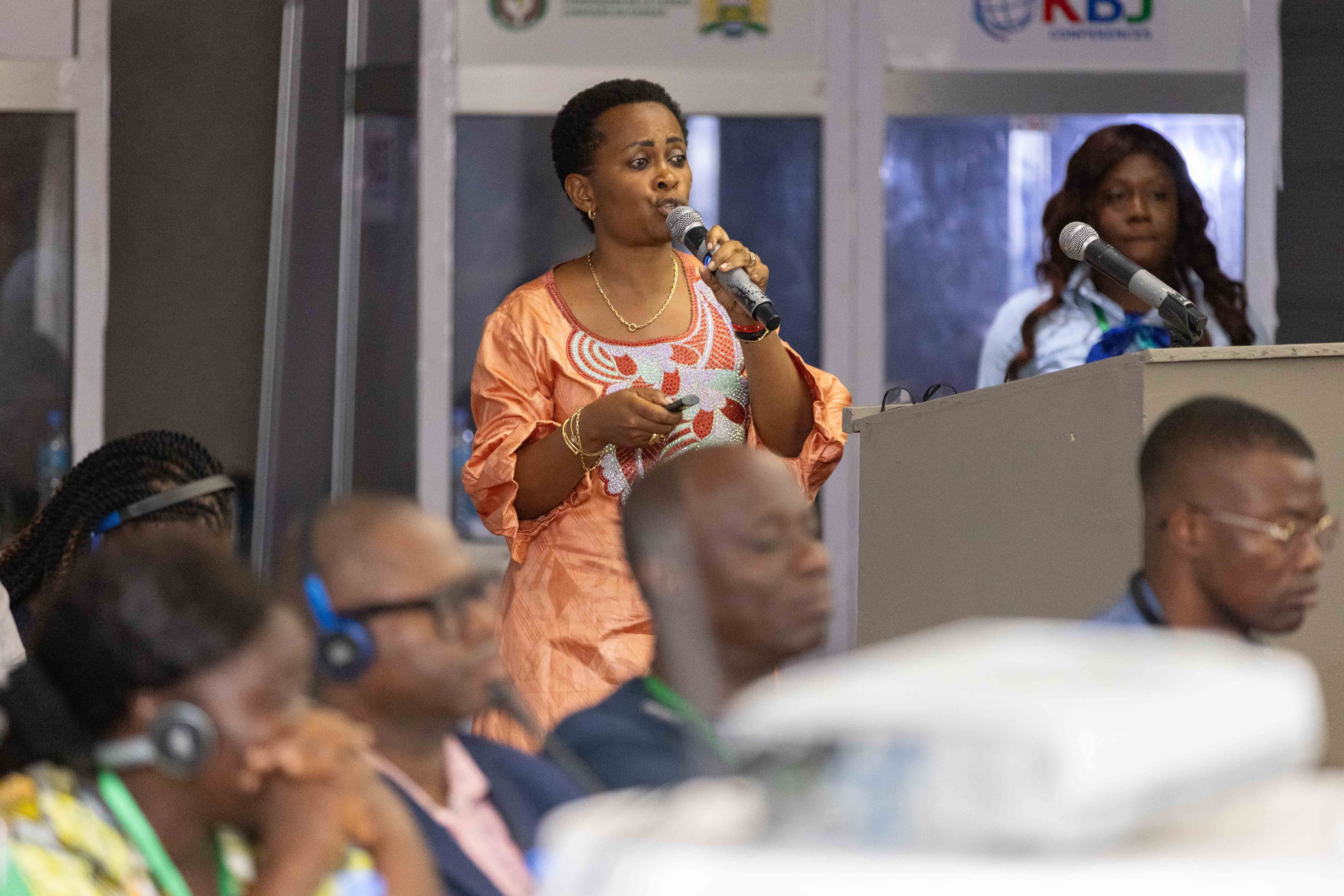
Pillar Three: Treatment and Community Health Systems, Dr Murindahabi emphasised safeguarding first-line therapies while preparing for resistance through diversified treatment options. She emphasised community health workers as the backbone of early detection and response. “Community systems remain the first point of care and must be fully strengthened,” she said, also calling for better integration of private sector and traditional health actors.
Pillar Four: Manufacturing, Supply Chains, and Pooled Procurement addresses efficiency and equity in access to commodities. Dr Murindahabi proposed a regional pooled procurement system to reduce costs and prevent stock imbalances across countries. She also pointed to emerging innovations such as Nigeria’s planning model for malaria commodities and discussions on local manufacturing of mosquito nets as opportunities for regional scale-up.
Pillar Five: Research, Innovation, and Capacity Strengthening, calls for better use of existing laboratories, stronger regional research networks, and improved collaboration between academic institutions.
Pillar Six: Community Engagement and Behaviour Change focus on trust and ownership. Dr Murindahabi stressed that even effective interventions fail without community acceptance, urging engagement of traditional and religious leaders, alongside civil society, to drive uptake. “Elimination depends on communities understanding and owning the response,” she said.
The final pillar, Financing and Strategic Partnerships, highlights the need for increased domestic investment while leveraging regional and global partnerships. She called for innovative financing approaches and better integration of malaria into broader health financing systems.
Across all seven pillars, three principles were emphasised: strong governance, data-driven decision-making, and accountability. Dr Murindahabi concluded by stating that a malaria-free ECOWAS region is achievable, but only through coordinated action, sustained investment, and regional solidarity.
Subscribe to Africa Health Watch
Get the latest health policy analysis and investigative journalism delivered straight to your inbox.
We respect your privacy. Unsubscribe at any time.