
"Africa is Not a Real Market:" The Fragmentation Problem Behind Africa’s Health Manufacturing Ambitions
Reflections from the World Health Summit Regional Meeting, Nairobi 2026
The continent of Africa spends billions annually on medicines, vaccines and health commodities, but faces fragmented and externally-driven demand for homegrown vaccines, poor economies of scale and short-term financing models that limit the business case for local manufacturers. At the World Health Summit Regional Meeting in Nairobi, conversations around Africa’s vaccine manufacturing ambitions moved beyond production capacity to a harder question: can the continent create a reliable market for African-made health products?
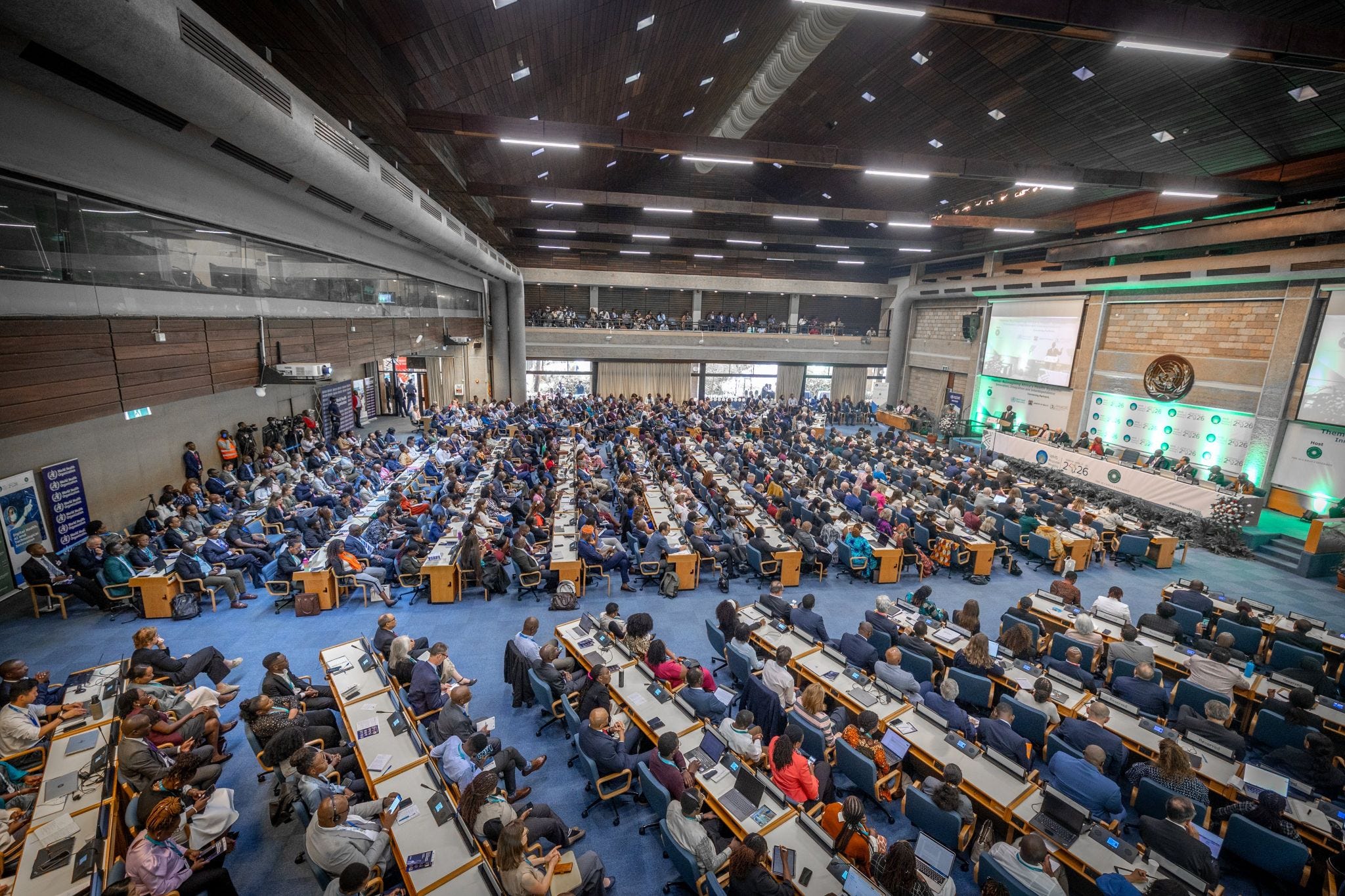
“Africa is not a real market”
This statement made during a keynote plenary at the World Health Summit Regional Meeting (WSRM2026), titled “Manufacturing Health in Africa: Sovereignty, Scale and Supply Chains” reflected the recognition that manufacturing alone will not secure Africa’s health sovereignty. There is need for coordinated market systems to sustain it.
The COVID-19 pandemic fundamentally reshaped conversations around health manufacturing and supply chains across Africa. As countries struggled with delayed access to vaccines, diagnostics, medicines, and other important medical supplies, the pandemic exposed the risks of relying heavily on external markets during global emergencies, and brought a recognition that health manufacturing is a matter of sovereignty and resilience, beyond it being an industrial ambition of countries on the continent.
Speaking during the panel, Dr Omar Albush, representing the Principal Secretary for Public Health, Kenya, described manufacturing as a “strategic imperative” tied to both health security and national resilience. “Health security is not charity. It is sovereignty,” he said, emphasising that no country can say it has achieved health security, if it cannot reliably produce and procure health products, in addition to strengthening last mile delivery its population depends on. He noted that Kenya strives to position itself as a leader in this transformation, guided by a presidential directive to achieve 50% local manufacturing of essential health products and technologies by the end of 2026. However, as countries accelerate manufacturing ambitions, panelists repeatedly cautioned that factories alone cannot sustain a manufacturing ecosystem.
For decades, Africa has operated as a supplied market, one where external institutions such as Gavi and UNICEF aggregate demand, negotiate prices with manufacturers, and coordinate distribution on behalf of countries. While these donor-backed procurement mechanisms have expanded vaccine access across the continent, they have enabled a market structure heavily dependent on external purchasing decisions rather than coordinated continental ownership.
Vandana Shah, Vice President, Health Systems Strengthening at the Global Health Advocacy Incubator, identified a conflict at the heart of the agenda. As countries transition from Gavi support, they tend to lose the pooled procurement advantages that previously guaranteed pricing stability, demand consistency and must now buy on their own terms. Meanwhile, procurement systems across the continent are often designed to prioritise the cheapest available product, putting African manufacturers who have not yet achieved the volumes needed to compete on price at a disadvantage. As Shah said, “the market has been shaped by multilateral financing, which brought consistency, but not country-level ownership.”
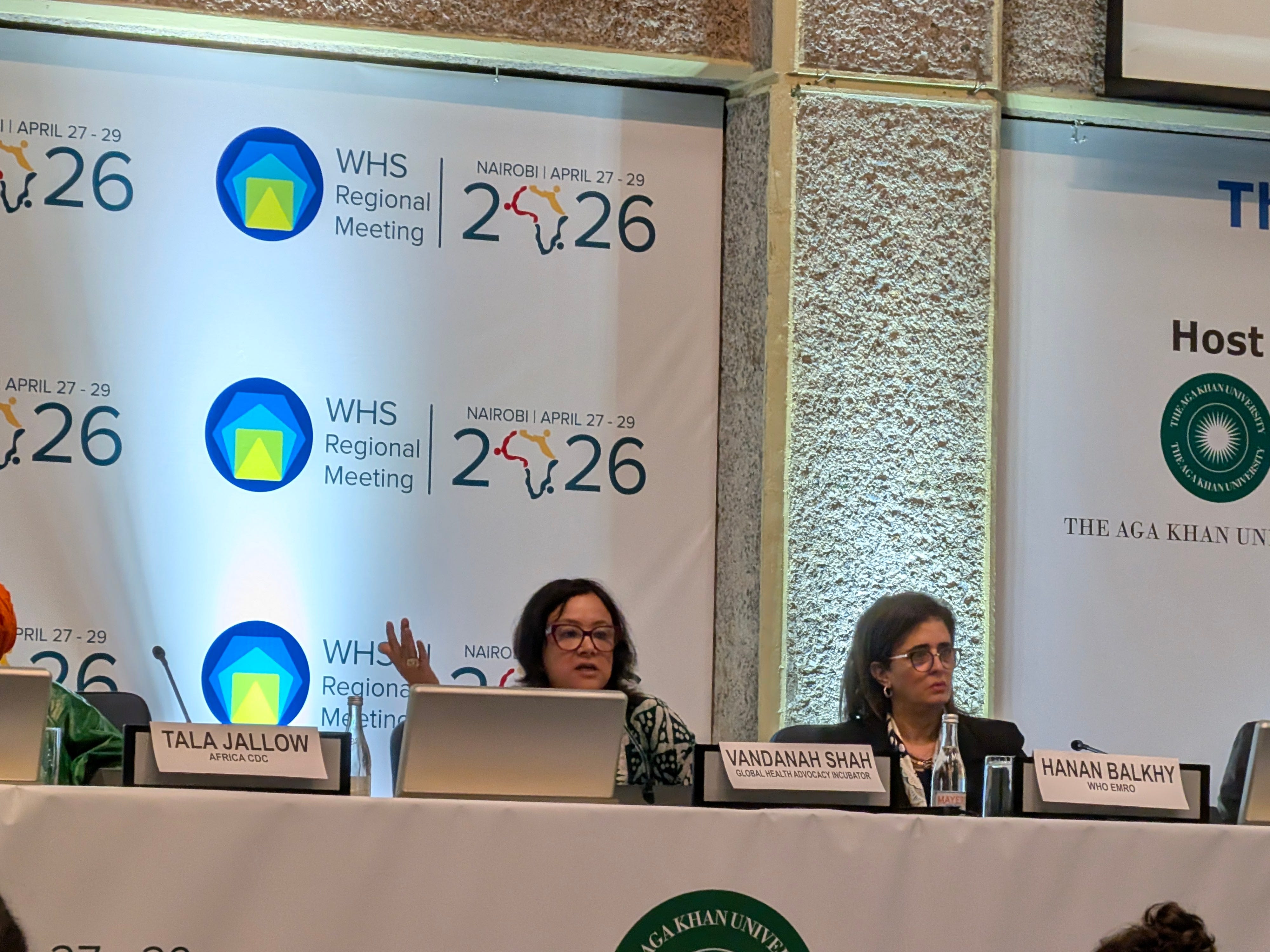
However, as Shah identified the procurement logic problem, others on the panel challenged a fundamental assumption. Dr. Tala Jallow, Director, African Pooled Procurement Mechanism (APPM), pushed the discussion further by challenging the idea that Africa lacks a viable health products market:
“We have the market...but we have been focused on fragmentation that we don’t have a sense of direction sometimes. One of the things that we are doing with the African pool procurement mechanism is, first, a market shaping tool. We need to leverage our continental purchasing power to be able to shape our market”
~ Dr. Tala Jallow
This reframed one of the central assumptions surrounding Africa’s manufacturing ambitions. Although African countries collectively spend billions annually on medicines, vaccines, and other health products, procurement systems remain fragmented across national borders, with differing regulations, purchasing laws, and market priorities limiting manufacturers’ ability to scale sustainably.
Through the African Pooled Procurement Mechanism (APPM), Africa CDC hopes to aggregate continental purchasing power, support African manufacturers, and create more predictable demand for locally produced health commodities.
Dr. Tala also stressed that efforts to harmonise regulatory pathways through institutions such as the African Medicines Regulatory Harmonization and the African Medicines Agency are intended to ensure that regulation becomes “an enabler for market access” rather than a barrier.
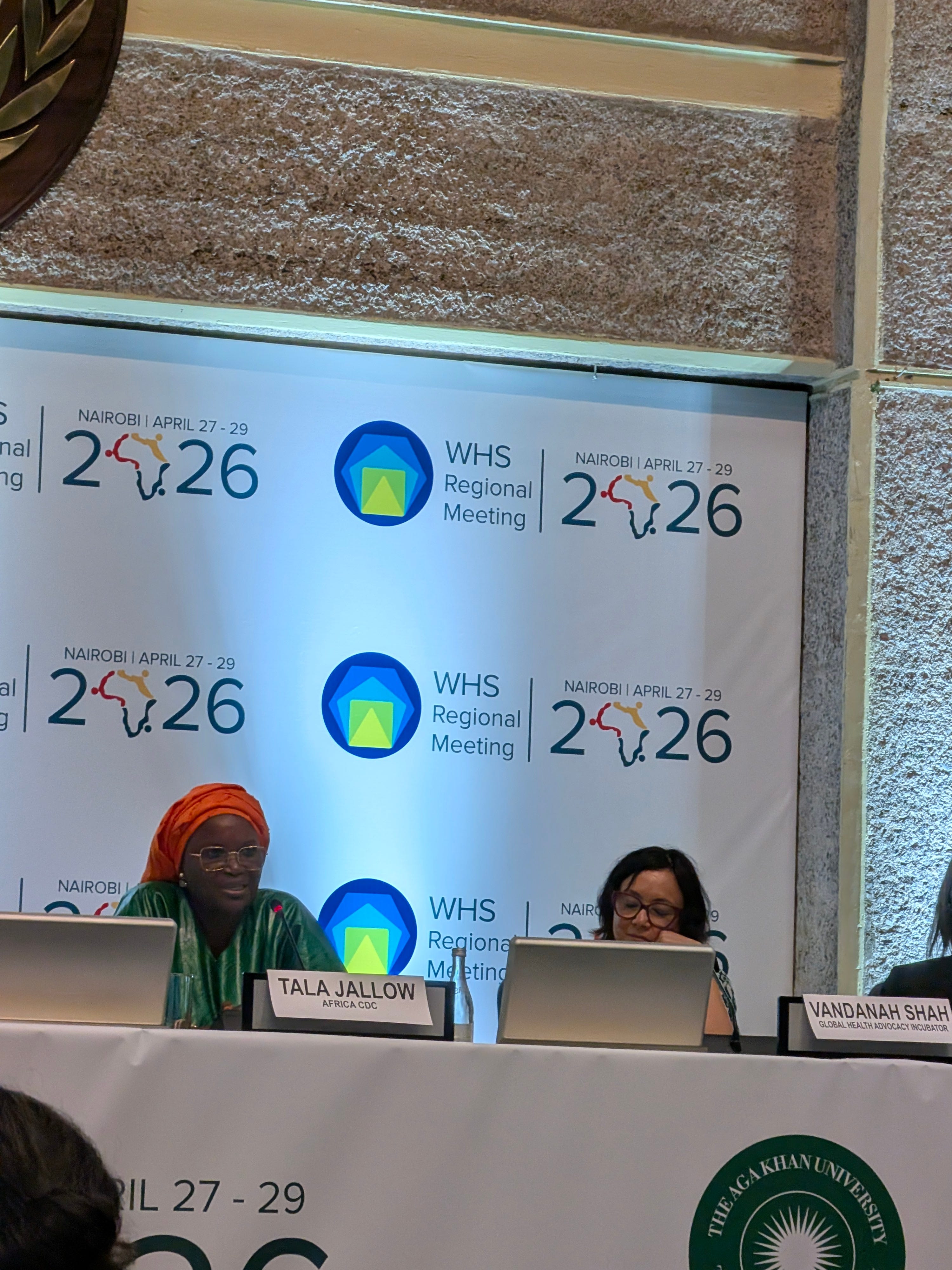
She pointed to the evolution of antiretroviral (ARV) medicines as an example; “when ARVs started, they cost around $175 per patient yearly. Now it’s less than $30 because we kept the market going, scaling up, increasing the volumes....but if we start the conversation by talking about how the prices of African manufacturers is going to be very high, we are killing the market before it even succeeds.”
Why This Matters
When African countries cannot reliably produce and purchase their own health products, the consequences are measured in lives lost, due to outbreaks that spiral because of delays in accessing medical countermeasures. The conversations at the World Health Summit Regional Meeting in Nairobi made clear that the path forward must go beyond building factories. It will require building the market conditions that make those factories viable, sustainable, oriented toward African health needs, with distribution channels that ensure products reach their markets.
Proof of concept already exists in some African countries. Egypt now sources 80% of its health products domestically. Ethiopia has shifted to over 40% local manufacturing. Rwanda is constructing an end-to-end pharmaceutical ecosystem from the ground up, anchored by continental partnerships and long-term vision. These examples show that deliberate policy, sustained political will and coordinated investment can move the needle.
The African region is a large, yet fragmented market, with manufacturers ready to scale. What is now required, is for procurement and distribution to become strategic tools, leveraging on existing mechanism such as the African Continental Free Trade Area (AFCTA) and others. Until that shift happens, manufacturing in Africa will remain an aspiration that remains unfulfilled.