
Zero Preventable Deaths: What Sierra Leone’s 300-Day Campaign Could Teach Africa
During the 79th World Health Assembly in Geneva, Switzerland, from 18th to 22nd May 2026, discussions on maternal mortality reflected a unique blend of urgency and hope. At a side event organised by Laerdal Global Health and the Global Financing Facility, titled “Investing in Safer Births: Scaling What Works,” representatives from African countries shared their initiatives to reverse stalled progress in maternal and child survival across the continent. But it was Sierra Leone’s story that lingered long after the session ended.
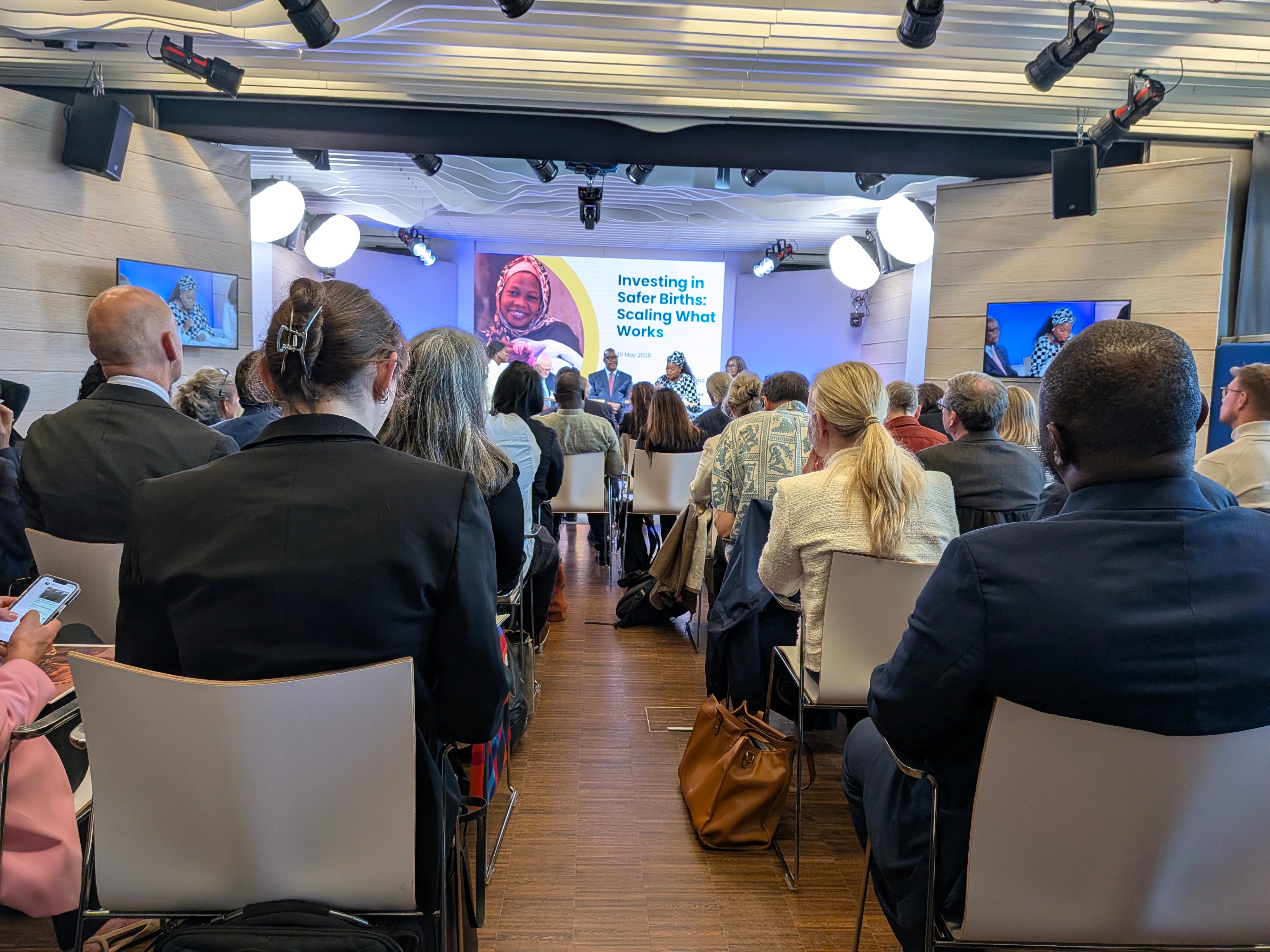
Sierra Leone has achieved over 70% reduction in maternal mortality over the last two decades. This is good progress for a health system once overwhelmed by conflict and chronic workforce shortages. This progress has been driven by a combination of interventions: stronger systems for tracking high-risk pregnancies, expanded midwifery capacity, improved quality of care, and a nationwide “300 Days Campaign” built around a simple but ambitious commitment to zero preventable maternal deaths, zero preventable child deaths, and zero, zero-dose children.
Across the session, speakers repeatedly returned to one point: preventing maternal and newborn deaths is not only about technology or funding. It is about whether the chain of care holds from community to clinic to referral centres and whether every actor in that chain understands the urgency of their role.
Malawi and Nigeria also shared lessons from implementing the Safer Births Bundle of Care. This approach combines simulation-based training, mentorship corners for nurses and midwives, newborn resuscitation skills, and emergency stabilisation procedures. The model is designed to help frontline health workers detect early warning signs and respond quickly before complications become fatal.
Civil society organisations and funders involved in scaling the programme argued that technical interventions alone are not enough. Advocacy, political visibility and community ownership are equally critical.
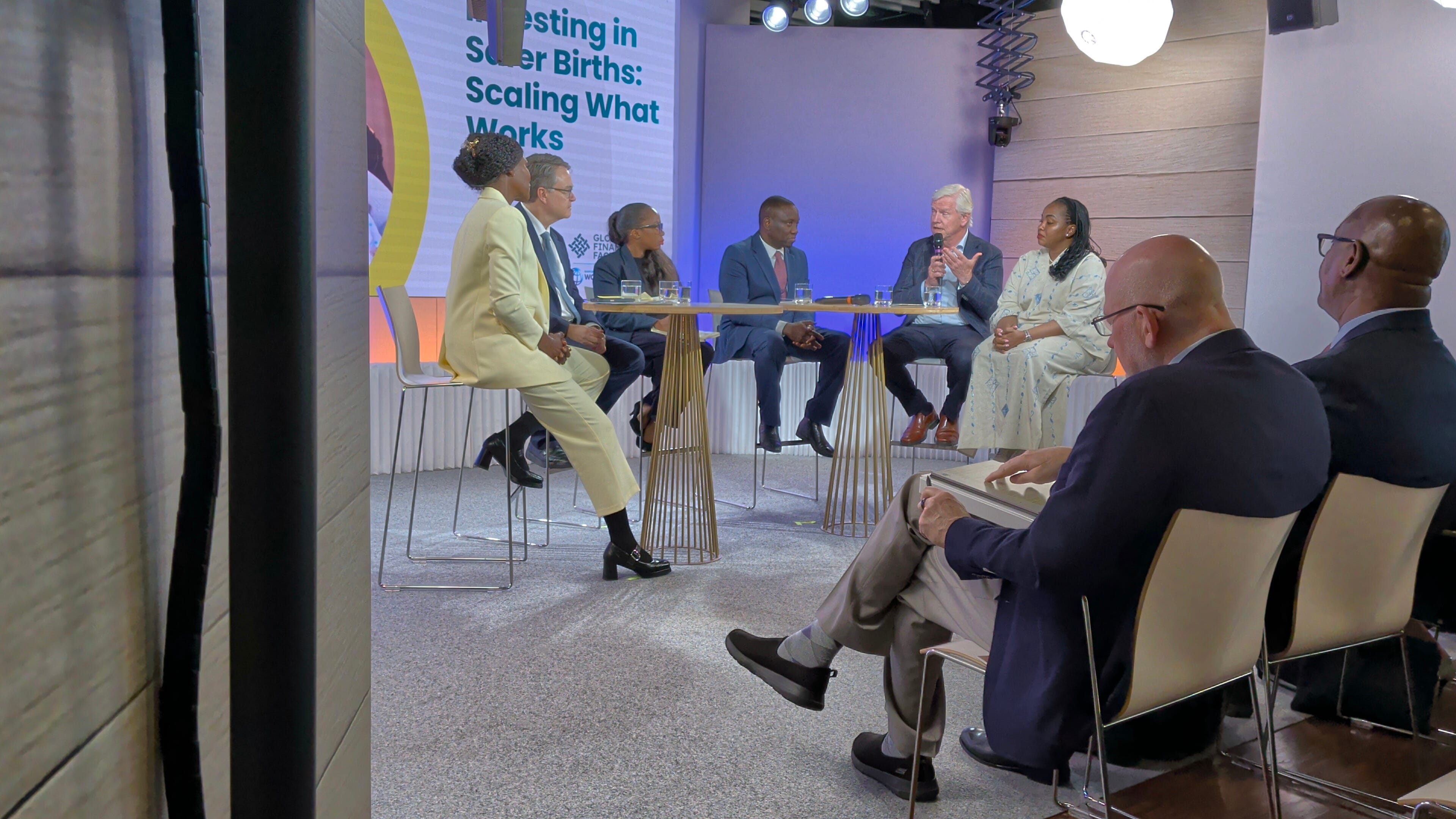
This point came through remarks by Doris Mollel of the Doris Mollel Foundation, who reflected on her advocacy for preterm babies and maternal health.
“When you speak, who are you speaking to and what are you saying?” she asked. “Health needs the loud and famous voices to gain the attention of politicians and policymakers.”
Her comments mirrored the prevailing concerns over funding cuts affecting life-saving interventions across Africa. African countries are trying to sustain progress in maternal and child health amid shrinking overseas development assistance, workforce shortages, and competing political priorities.
Yet Sierra Leone’s campaign suggests that momentum is still possible even within constrained systems.
What makes the 300-day initiative compelling is its reliance on disciplined coordination, visible leadership, and a shared national commitment to accountability, instead of dependence on a new policy architecture. The campaign turns survival into something measurable, public, and urgent.
For most African countries, especially Nigeria, where maternal mortality remains stubbornly high, the question is not whether solutions exist. Many already do. The harder question is whether the same level of unified action can be mobilised and sustained in a simple yet powerful resolution to say Zero preventable maternal, child deaths in the next one year.