
WHX Leaders Africa Summit 2025: Why Africa Needs a Blueprint for Self-Built Health Systems
Chioma Nnamani

The second edition of the WHX Leaders Africa Summit kicked off in Accra on 9–10 December 2025 under the broad theme, “Catalysing Africa’s Health Revolution through Investment, Innovation, Impact and Infrastructure.” Throughout the summit, leaders from government, industry, and research gathered not just to identify Africa’s health challenges, but to blueprint bold solutions, investment, stronger partnerships, and systems built to stand on their own.
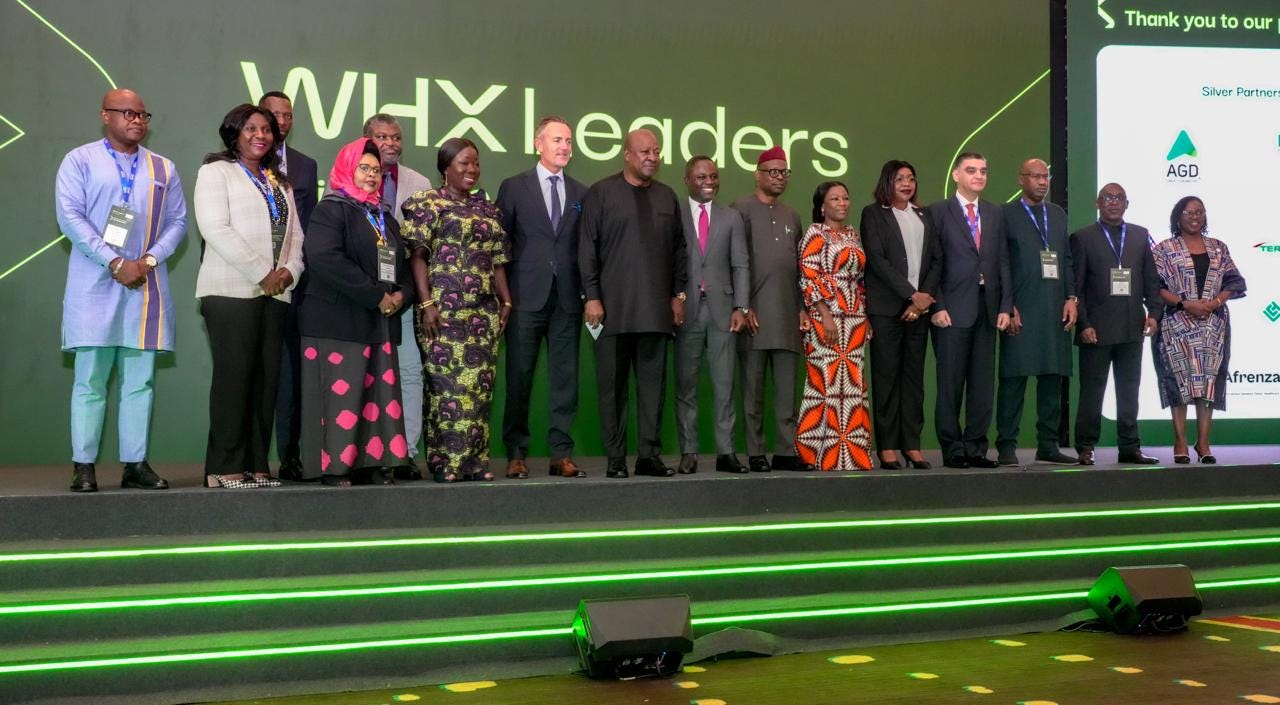
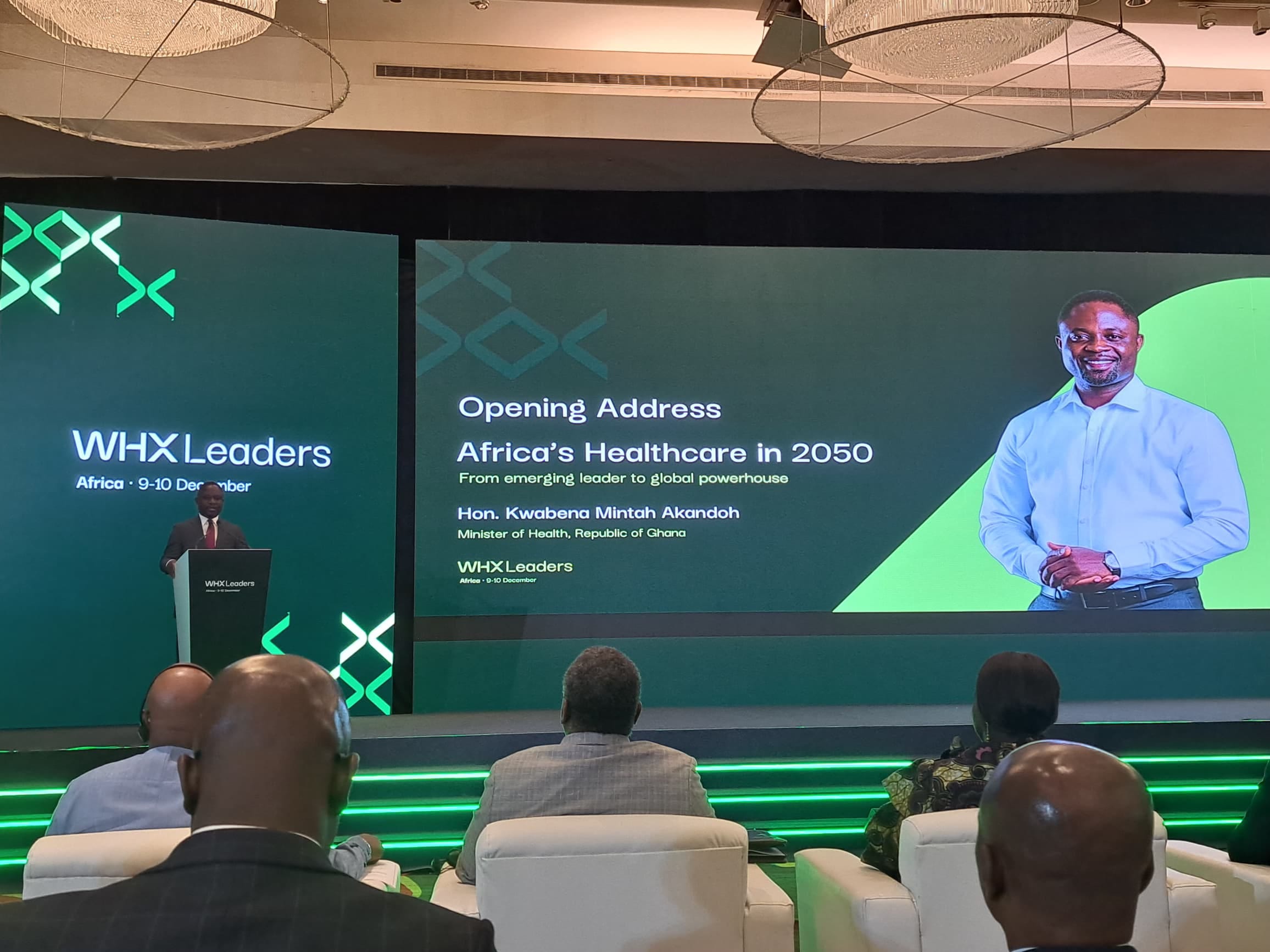
The Summit opened with Ghana’s Minister of Health, Hon. Kwabena Mintah Akandoh, welcoming delegates by framing the summit as a launchpad for action rather than another stop on the conference circuit. “This gathering is more than an annual event. It is a call to mobilise strategic investment, forge meaningful alliances and accelerate the emergence of world class resilient healthcare systems across the continent,” he said. His opening address painted a bold picture of Africa’s health landscape in 2050, where population growth becomes a competitive advantage if backed by strong reforms, regional manufacturing hubs, and proper technology transfer.
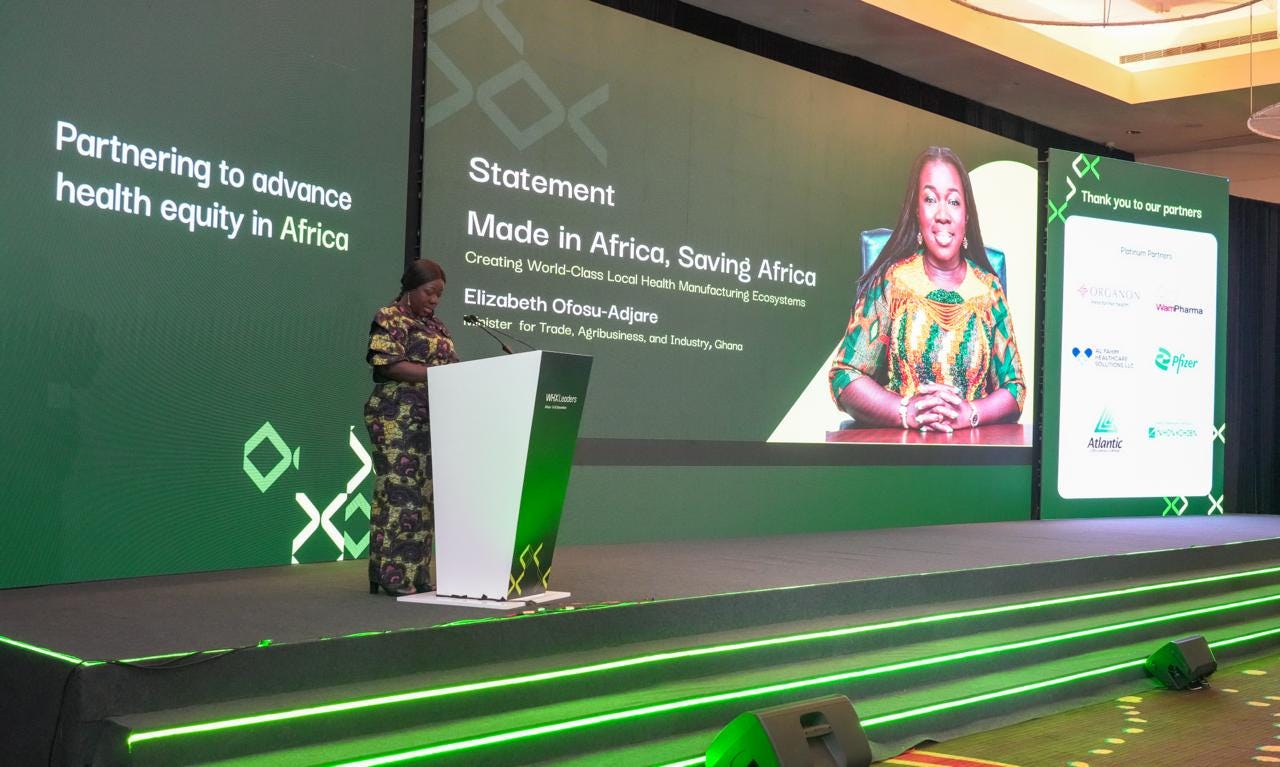
Ghana’s Minister of Trade, Agribusiness and Industry, Elizabeth Ofosu-Adjare, in her statement titled “Made in Africa, Saving Africa” argued that the continent’s long-term health security depends on producing what it consumes. For too long, Africa has relied on distant suppliers for medicines and medical technologies, a dependency that drains resources and magnifies vulnerability. She urged leaders and investors to focus on six enablers: transparent policies and regulatory frameworks, modern infrastructure and capacity building, long-term financing and smart partnerships, regional integration, innovation and technology transfer, and sustainability. The goal, she stressed, is to build “world-class local health manufacturing ecosystems” capable of serving African needs first.
The session continued with the President of Ghana, H.E John Dramani Mahama, who took the stage to deliver his keynote address, not just as a statesman, but as a voice for Africa’s health future and sovereignty.
“Health systems are being redesigned, supply chains are being rewired, and new geopolitical realities are forcing every region to rethink the issue of resilience. These transformations present both a challenge and an opportunity, but the truth is simple, Africa cannot afford to be a bystander. Africa must be a participant across our continent”
~ President John Dramani Mahama
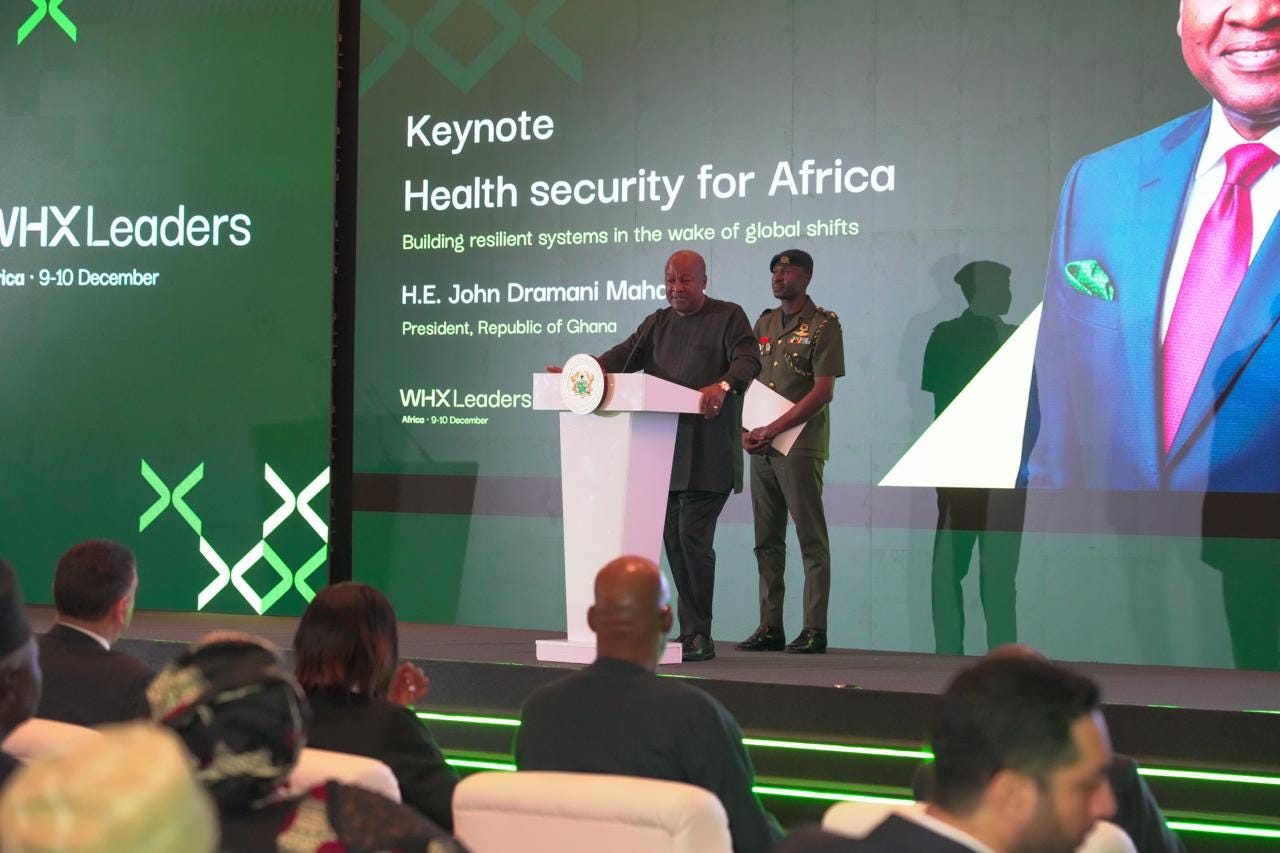
President Mahama reminded delegates that the continent still carries deep inequities, fragile supply chains, and insufficient investment in primary healthcare, vulnerabilities that were exposed during COVID-19, when Africa was often the last to receive critical support.
A shared concern among the speakers was the challenge of structural dependency and long-term under-investment as they acknowledged how global market shocks repeatedly expose Africa’s inability to manufacture what it needs, when it needs it.
The real test, however, will be whether the alliances formed at WHX 2025 translates into the implementation, financing, and infrastructure that can anchor a truly resilient health future in Africa.