
IMNHC 2026 ends with call for more ‘Accountability and Collective Action’ for Mothers and Newborns

As the International Maternal and Newborn Health Conference 2026 (IMNHC) drew to a close in Nairobi, the four-day conference highlighted that progress will not be measured by commitments made but by lives saved. At the closing plenary, conversations emphasised that the future of maternal and newborn health depends on collective action, accountable systems, and financing tied to measurable results.
Speaking for parliamentarians from 11 African countries, Hon. Lilani Brinkman, a Namibian Member of Parliament, framed preventable maternal deaths as a leadership issue, not just health. “We already know what works, Midwives can provide 90% of all essential reproductive, maternal and newborn, child and adolescent health services”. She argued for countries to invest in recruiting, training and retaining them, “because investing in midwives, is investing in saving lives.” she said, pointing to workforce investment as one of the known solutions to accelerate progress.
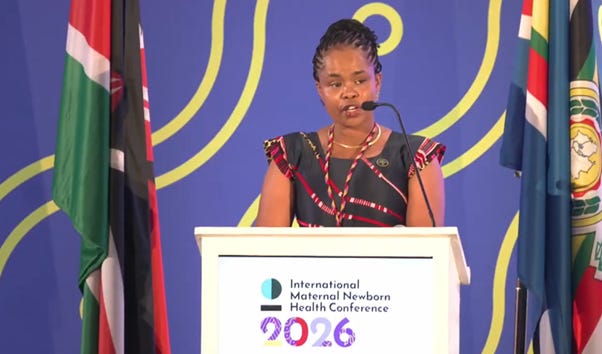
Brinkman presented joint parliamentary commitments to achieving Every Woman, Every Newborn Everywhere targets. They pledged to advocate for dedicated financing to ensure life-saving maternal and newborn commodities reach underserved populations. They also resolved to strengthening regional collaboration through pooled procurement and market-shaping mechanisms to improve affordability and expand access.
Central to the commitments, Hon. Brinkman recommended achieving the Abuja Declaration target of allocating at least 15 percent of national budgets to health. She cautioned against returning home without action.
“We cannot continue to gather in conferences, speak passionately, and then return home unchanged. This must be the turning point.”
~ Hon. Lilani Brinkman
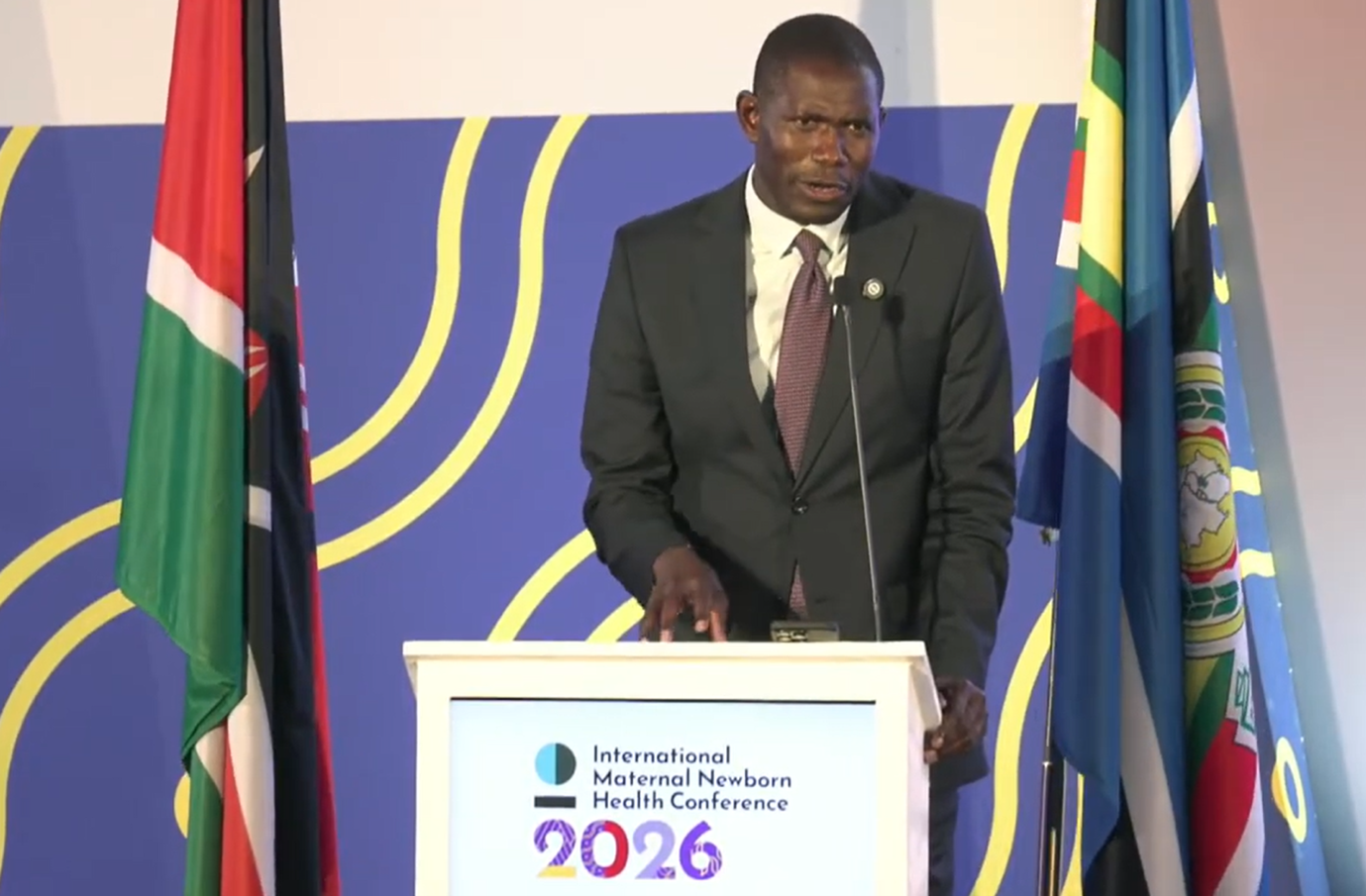
In his closing speech, the Principal Secretary, State Department for Medical Services Kenya, Dr. Ouma Oluga, shifted attention to what he described as the most critical weakness in maternal and newborn health systems. This is the widening gap between what is planned and what is implemented on the ground. “Preventable maternal and neonatal deaths is the greatest indictment of any healthcare system and the best indicator of health system performance,” he said, noting that “we must do everything to reverse these trends.”
He called for building stronger accountability systems across governments, health workforce, and development partners, urging a shift away from process-driven financing toward measurable impact. “In the past, we have done health financing for reports, not for results. Conference after conference, we’ve presented very good reports of the work that we’ve done, even when we have not made actual progress and this has left a gap” Oluga noted.
The conversations at IMNHC 2026 emphasised that reducing maternal and newborn deaths will depend less on new strategies and more on execution. The discussions pointed toward aligning political commitment with measurable delivery where financing follows impact, data drives accountability, and partnerships reinforce national priorities. If this momentum continues beyond Nairobi, the conference may help turn shared ambition into real improvements in care and survival for women and children across Africa.