
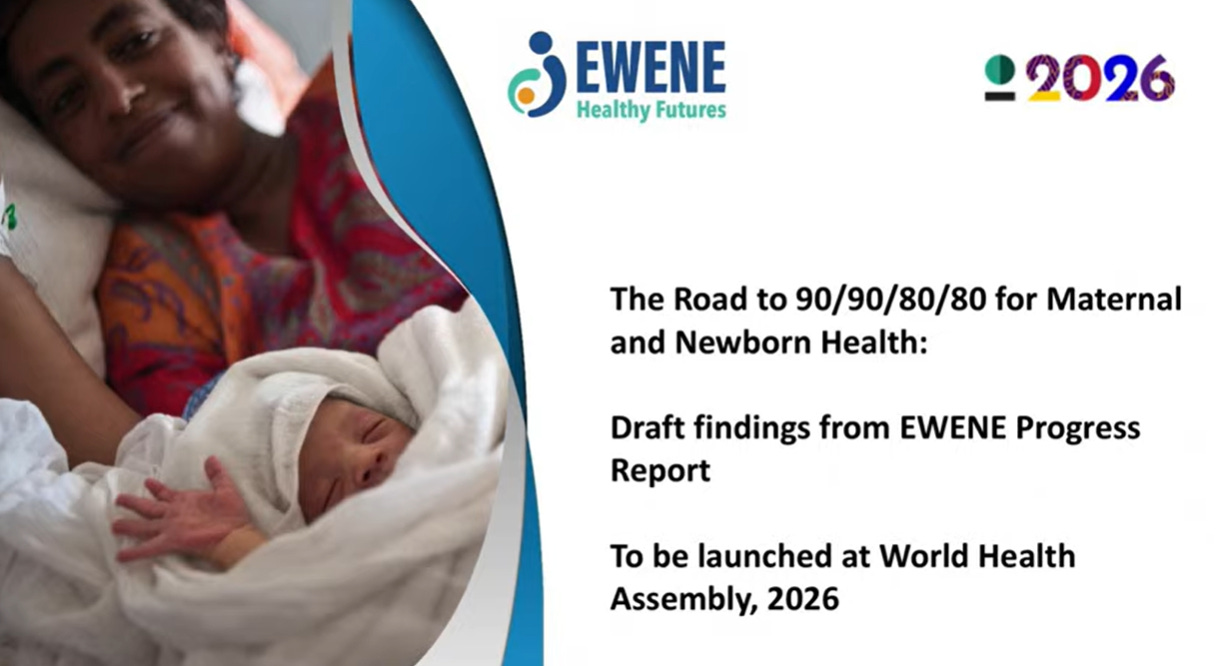
At the 2026 International Maternal and Newborn Health Conference, discussions on Day 2 opened with a plenary session presenting early findings from the “Every Woman, Every Newborn Everywhere – Country Status Assessment (EWENE-CSA) 2026 progress report,” scheduled for release at the 2026 World Health Assembly.
Presenting the global overview of maternal and newborn health, Dr Allisyn Moran, Unit Head for Sexual, Reproductive, Maternal and Newborn Health at the World Health Organization, outlined the scope of the challenge. “In 2023, we had 4.5 million deaths, and we still have 4.5 million deaths of women during pregnancy and childbirth, as well as newborns and stillbirths,” she said, noting that “progress has really not accelerated since 2015/2016.”
She reminded delegates of the 90-90-80-80 targets introduced in 2023, which focus on antenatal care, skilled birth attendance, early postnatal care, and access to emergency services.
“These targets have been the driving force behind the different work that’s been going on at country level, Yet, we’re still far from the targets that we were hoping to achieve by 2030”
~ Dr Allisyn Moran
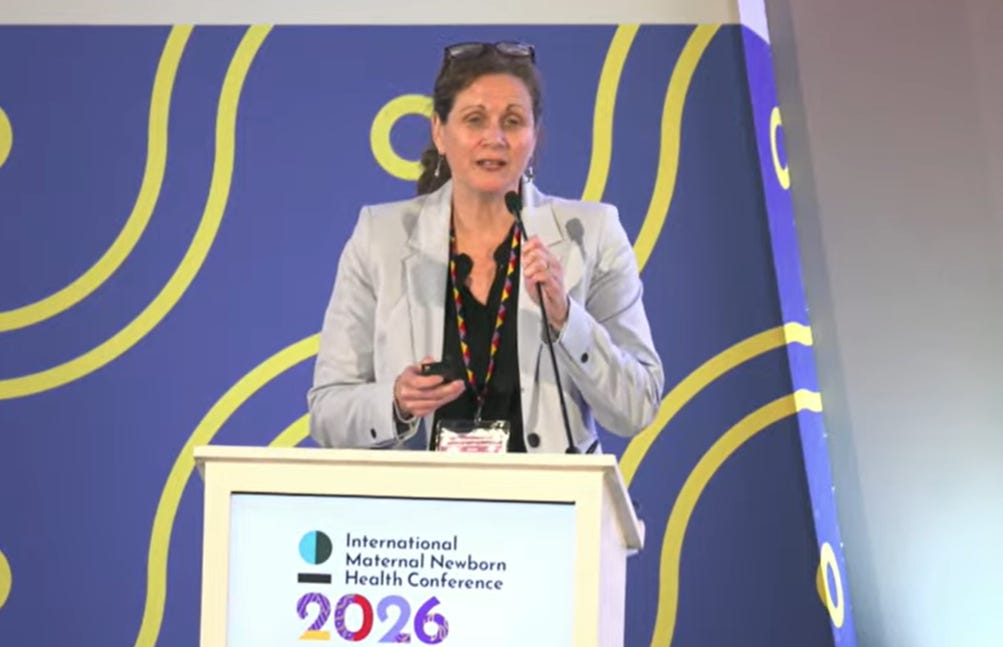
On the importance of equity and quality, Dr Allisyn stressed that coverage alone is not enough, highlighting the need for strong health systems, a skilled workforce, reliable commodities, and actionable data as essential building blocks for progress.
Building on this, Dr Gagan Gupta, Unit Lead, Maternal and Newborn Health, UNICEF, shared early EWENE-CSA 2026 findings. He noted that although many countries have strengthened policies and data systems, these gains have yet to translate into real improvements for maternal and newborn outcomes. “The progress is mixed,” he explained. “We have strong frameworks on paper, but coverage of essential services and reductions in mortality remain frustratingly slow.” This message points to a critical disconnect between planning and implementation, showing that policy advances alone are not enough without effective delivery on the ground.
Dr Gupta further noted gaps in financing and implementation identified in the report. “Countries said that they have a maternal and newborn health plan, but only 15% of them have it fully financed,” he said, adding that high-impact interventions such as emergency obstetric care and care for small and sick newborns “are very much underfunded and under prioritised.”
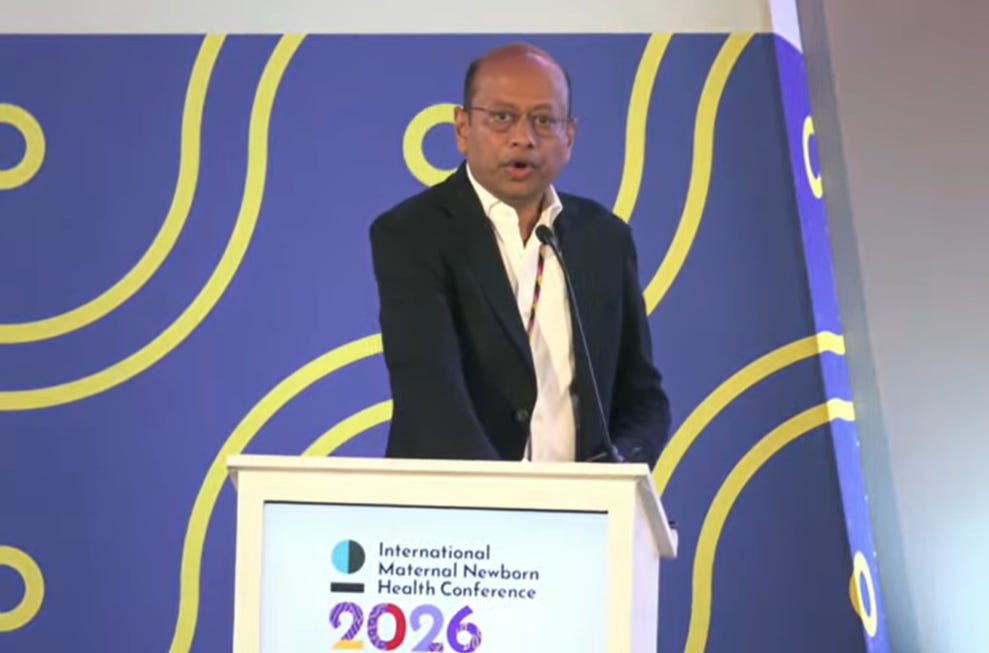
Despite these challenges, Dr Gupta acknowledged policy gains.
“We have seen major gains in policy shifts. Last time we reported, 59% of countries said they had moved to eight antenatal care visits. Now, 83% of countries have made that shift. Similarly, the proportion of countries with a birth companion policy has increased from 54% to 78%, and for postnatal care, a marked improvement has been noticed,” he said.
Ahead of the 2026 World Health Assembly where the final report will be presented, the focus is shifting from what must be done to how quickly and equitably commitments can be turned into measurable improvements for women and newborns.
Subscribe to Africa Health Watch
Get the latest health policy analysis and investigative journalism delivered straight to your inbox.
We respect your privacy. Unsubscribe at any time.