
As delegates gathered in Geneva for the 79th World Health Assembly, one side event pushed past the now-familiar promises of artificial intelligence in healthcare. It returned to a more difficult question: what happens when these tools meet fragile, overstretched health systems already struggling to deliver care?
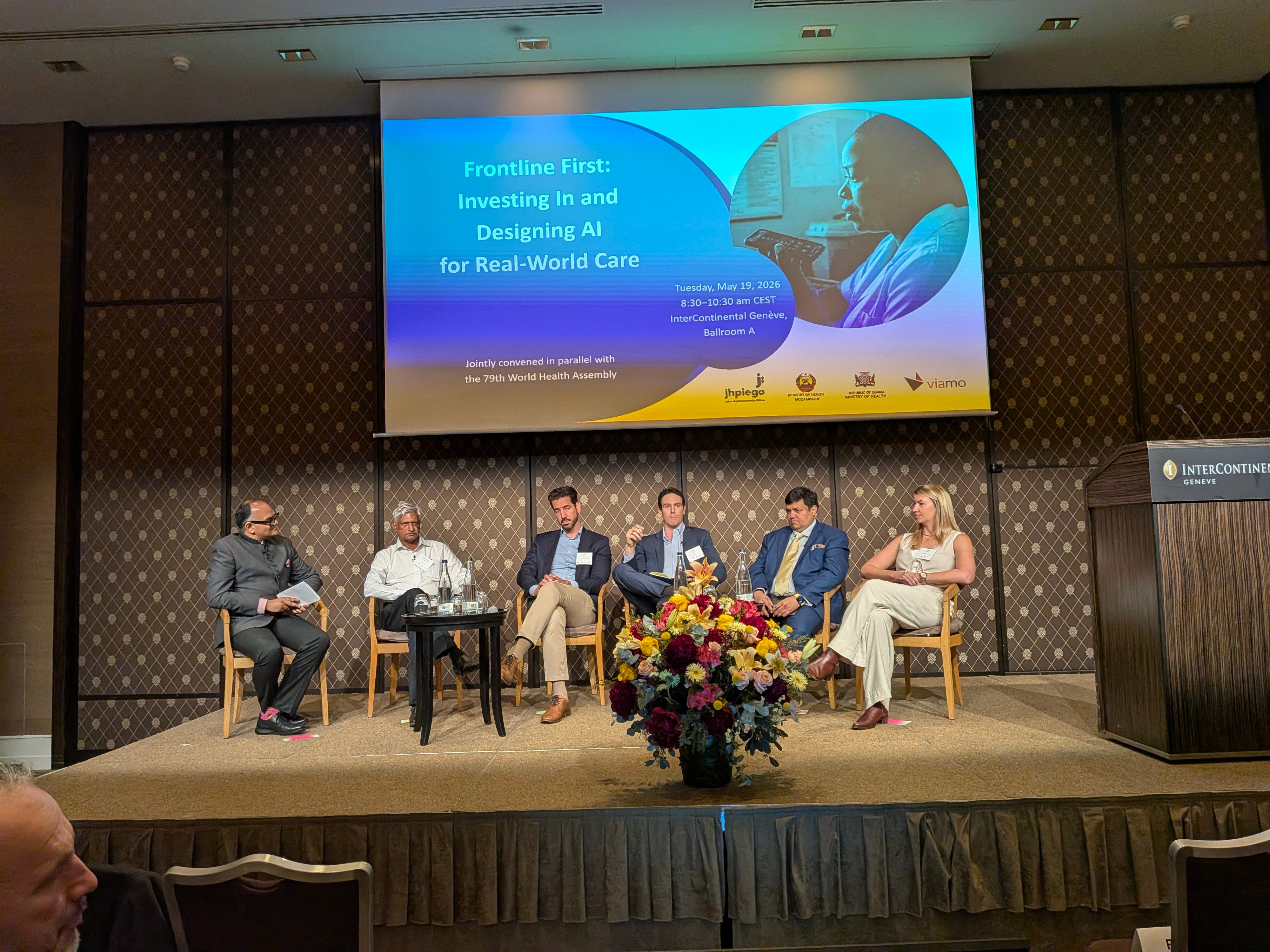
Organised by Jhpiego, the session titled “Frontline First: Investing in and Designing AI for Real-World Care” brought together policymakers, funders, innovators and implementers to discuss how artificial intelligence (AI) could support frontline health workers, particularly in low-resource settings where workforce shortages and weak infrastructure continue to strain healthcare delivery.
But beneath the optimism around innovation was a more cautious conversation about governance, fragmented data systems and the growing number of externally designed digital health tools entering African health systems without clear coordination and oversight.
“We should be investing in frontline workers and community health systems; all of what we do as innovators and investors should be to help the frontline make better decisions as they render services,” said Lilly Steele of the Global Innovation Fund.
The focus on frontline care shaped much of the session. Speakers repeatedly stressed that AI tools cannot be designed in isolation from the communities and health systems they are meant to serve. Trust, localisation and integration also emerged as recurring themes, especially as participants reflected on the uneven track record of digital health interventions across the continent.
Several speakers warned that African countries are already dealing with fragmented health information systems that duplicate reporting processes and place additional burdens on healthcare workers. Without stronger governance frameworks and interoperability standards, participants argued, AI risks becoming another disconnected layer in already overstretched systems.
There was also discomfort with the continued dominance of donor-driven, externally developed technologies. Participants questioned whether tools designed outside local realities can respond meaningfully to the day-to-day pressures facing frontline workers and community health systems.
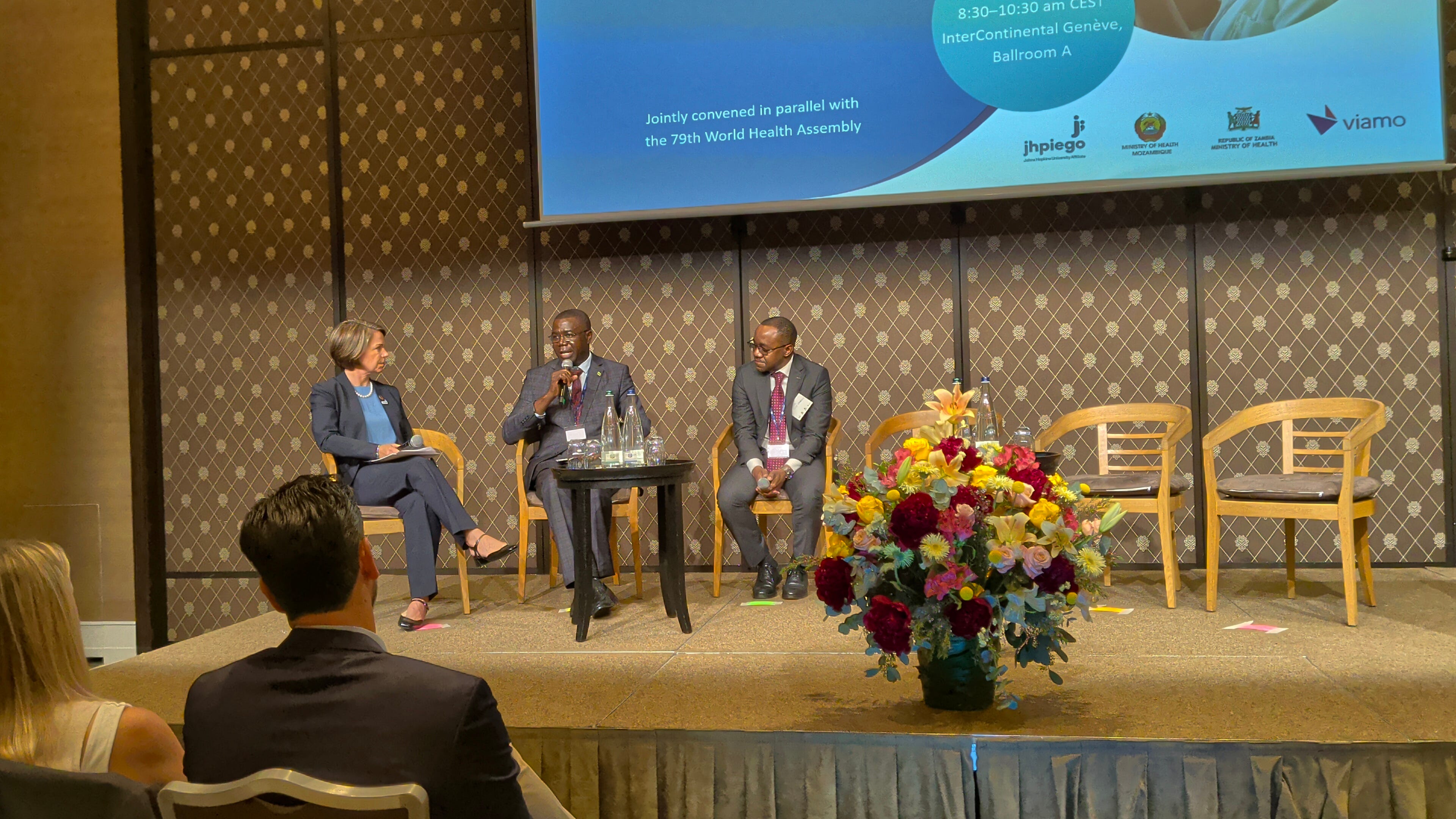
The discussion became more grounded as representatives from Zambia and Mozambique shared experiences from their own countries, offering examples of how AI-supported approaches are being explored within health systems. While the conversations did not present AI as a cure-all, they pointed to growing interest in practical applications that can support decision-making, improve service delivery and strengthen community-level care.
What stood out throughout the session was the insistence that technology alone is not the story. In many African settings, community health workers remain the backbone of primary healthcare delivery, and speakers argued that any meaningful AI investment must strengthen, not sideline, those systems.
At a moment when global health conversations are increasingly filled with excitement about AI, the side event offered a more grounded reminder: innovation means little if it cannot work within the realities of the health systems expected to carry it.