
Africa’s Health Revolution: Building Stronger, Public–Private Led and Funded Health Systems
Vivianne Ihekweazu and Chioma Nnamani

As global health financing grows more uncertain and traditional aid models retreat, the cost of Africa’s fragmented health systems is harder to ignore. The question for African health leaders today is no longer whether more money is needed, but whether the continent can afford to invest in systems that are not co-owned, co-managed, or built to last. In response to these pressures, leaders from government, industry, and research gathered in Accra for WHX Leaders Africa 2025, a platform to examine how Africa finances, builds, and sustains health systems amid a changing global landscape.
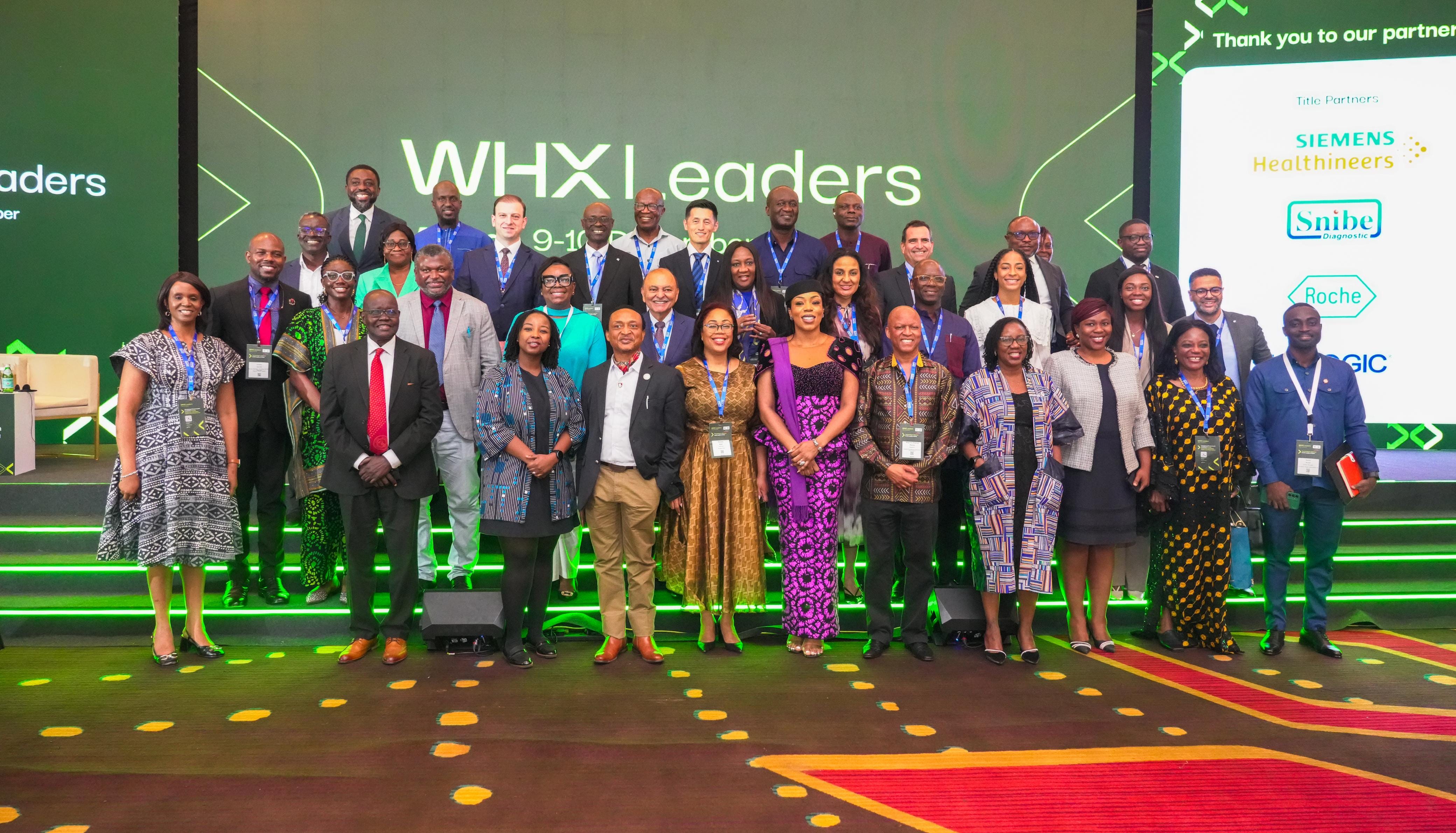
For decades, Africa’s health landscape has been shaped by a series of disconnected efforts. Donor-driven agendas have priortised vertical disease-specific programmes over holistic health system strengthening. Governments have overstretched public systems with limited budgets, while the private sector has built parallel services that rarely align with national priorities. The result is an ecosystem where everyone is working hard, but not working together.
This fragmentation has become an invisible architecture holding Africa back, with clear consequences: parallel supply chains, duplicated programmes, underfunded public hospitals alongside world-class private clinics, and innovations that fail to scale because they sit outside national systems. The call for a co-owned ecosystem is therefore not theoretical. Lessons from global Public–Private Partnership models shows that successful PPPs depend on clear governance structures, shared objectives, and mutual accountability, elements largely missing in much of Africa’s public health architecture.
As the global health order shifts and financing become increasingly unpredictable, Africa can no longer afford an uncoordinated approach. The continent’s health future depends on building co-owned ecosystems in which governments, the private sector, development partners, and communities invest, plan, and measure success together.
This message shaped discussions at the WHX Leaders Africa Summit 2025 in Accra, which convened leaders under the theme “Catalyzing Africa’s Health Revolution through Investment, Innovation, Impact, and Infrastructure.” Across panels, speakers stressed that realising this vision will require a new public–private compact anchored in co-investment, shared accountability, and clearly defined joint targets.
Ghana’s Hard Lessons
This challenge was brought into sharp relief during the summit through Ghana’s own experience. In his keynote address, President of Ghana, His Excellency John Dramani Mahama, shared a sobering lesson. Reflecting on his time as Vice President and later as President, he recalled how Ghana invested more than $250 million in retooling hospitals with MRI machines, CT scanners, X-ray units, and other diagnostic equipment.
“At the time, we believed we had brought healthcare back up,” he said. On returning to office as a president years later, Mahama found that much of the equipment had broken down in the public facilities and patients routinely referred to private facilities. The promise of better healthcare had stalled, not because of lack of funding, but due to poor maintenance and mismanagement.
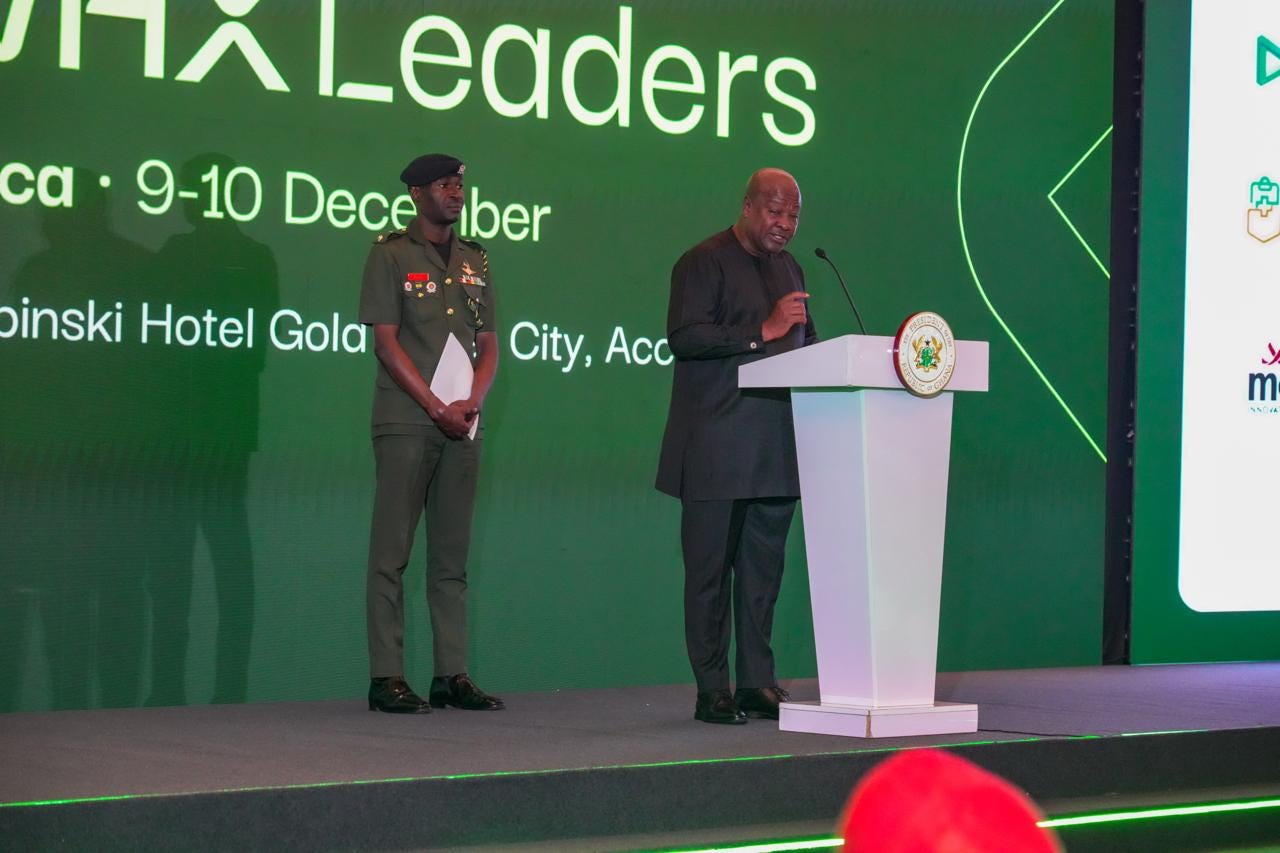
Under the newly launched Ghana Medical Trust Fund, also known as MahamaCares which has been allocated 2.1 billion cedis, Ghana has the resources to begin covering the rising burden of non-communicable diseases. The President made it clear that public–private partnerships are no longer optional, they are essential.
“We are going to put money into diagnostics and treatment facilities, but we’ll only do it in conjunction with the private sector. We are not going to repeat the mistake and put very expensive equipment in government hospitals and 5,6,7 years later, all those equipment are not working. And so, the private sector, this is the opportunity to partner with government to make sure that we have Universal Health Care in Ghana.”
~ H.E John Dramani Mahama
President John Dramani Mahama emphasised that Ghana’s experience reflects a wider reality across Africa, where well-intentioned investments fail because systems for maintenance, accountability, and performance are either weak or absent.
His remarks reinforced a central message of the summit, Africa cannot catalyse its health revolution through investment, innovation, impact, and infrastructure without rethinking how governments and the private sector work together.
Why This Matters
Africa is standing at a pivotal moment. The continent’s healthcare market is projected to exceed $259 billion by 2030, fuelled by a rapidly growing population, rising urbanisation, and a growing middle class. Beyond a market projection, this is a signal of where Africa’s health future is heading. However, this growth is unfolding at a time when global health financing is shrinking. Recent aid cutbacks including USAID’s withdrawal from several programmes have exposed the vulnerabilities of systems overly dependent on external support. This tension between growing demand and shrinking aid is forcing African governments to confront hard choices about sustainability and ownership.
This is why the call for stronger, smarter public–private collaboration is not just a policy preference, but a survival strategy. With shrinking aid, overstretched government budgets, and an increasingly competitive global economy, the private sector is no longer a peripheral player but a central pillar of Africa’s health ecosystem. What emerged clearly at WHX Leaders Africa was that political leadership matters, a point demonstrated by the active participation of Health Ministers at the summit. Governments must set direction, align incentives, and back commitments with domestic resources. This aligns with the broader Accra Reset, which calls on African countries to move from dependency to deliberate domestic resource mobilisation, putting national capital behind national health priorities.