
At the Health Experts Meeting of the 27th Ordinary Session of the ECOWAS Assembly of Health Ministers, the West African Health Organisation (WAHO) presented a Regional Malaria Elimination Framework alongside a candid account of its evolving budget, revealing a region with clear ambition and fragile finances.
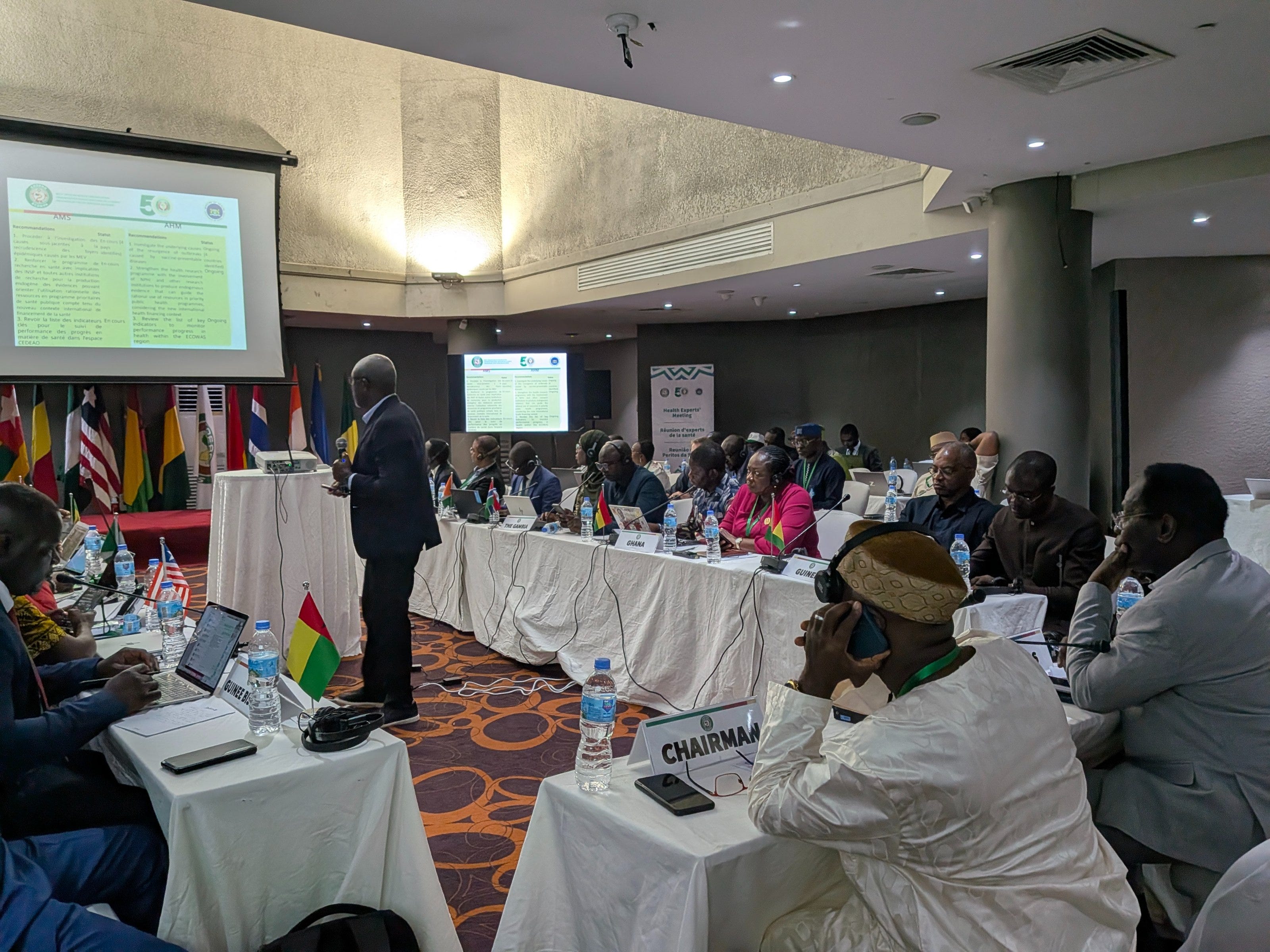
Malaria claims the lives of children under five nearly every minute with sub-Saharan Africa bearing the heaviest burden.
This sobering reality hung over the Health Experts Meeting in Sierra Leone, where WAHO presented two consequential documents: a Regional Malaria Elimination Framework and an account of how its budget is evolving. Together, they told one story. Ambition is not the problem. Money is.
The malaria framework, co-created with experts at a meeting in Conakry in March 2025, is structured around seven pillars: governance and coordination, surveillance and data systems, treatment and community health, supply chain and commodities, research and innovation, community engagement, and financing.
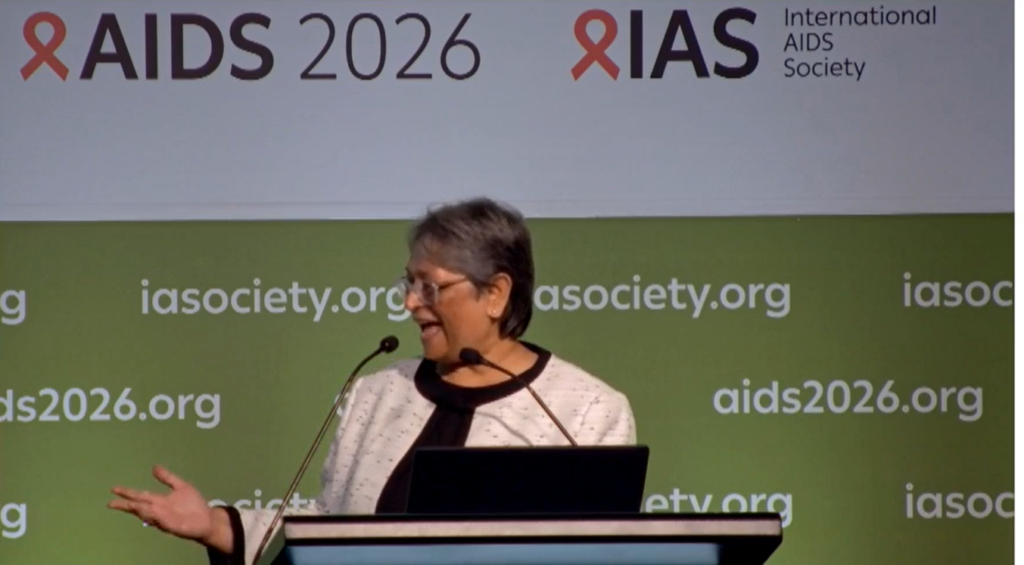
Dr. Monique Murindahabi, a WAHO consultant, who led the presentation was direct. “Malaria does not respect borders. We cannot talk about elimination if neighbouring regions do not align their policies.” Cross-border case notification, harmonised drug resistance protocols, pooled procurement, and a real-time regional disease dashboard are among the framework’s centrepieces.
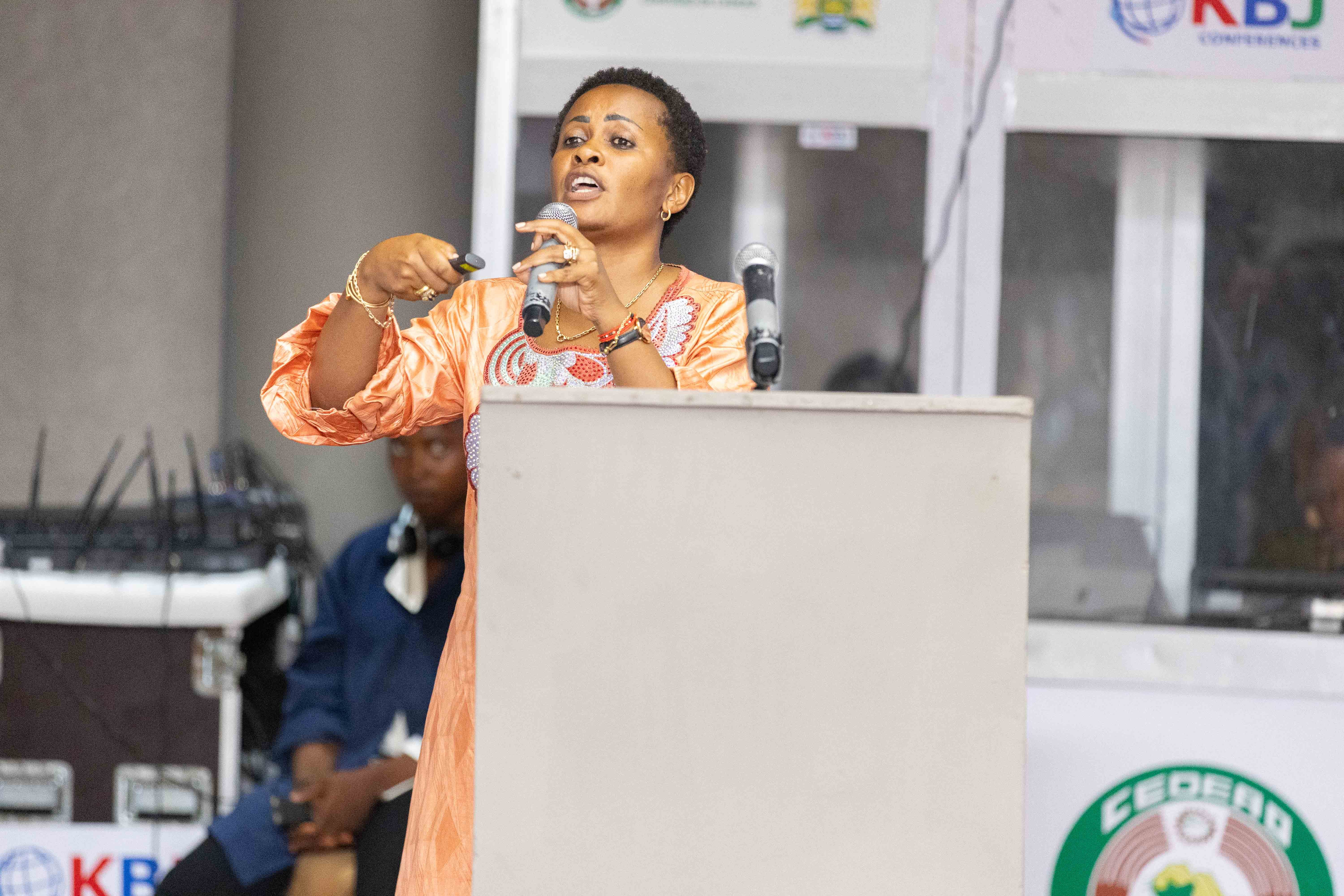
The African Leaders Malaria Alliance (ALMA) has already committed to elimination by 2030, however, participants pushed back on timelines.
On commodities, Dr. Murindahabi was equally explicit. “If we are serious about elimination, we must ensure that when a case arrives at a health facility, it is tested and treated. Commodities must therefore be available at all health facilities.”
Commodities, however, are only one part of the equation. The question of financing soon followed.
Dr Aruba Fallah, WAHO’s Director for Administration and Finance highlighted during his presentation that the WAHO’s approved budget has grown from roughly $47 million in 2018 to $71.6 million in 2025, a trajectory that looks healthy until you examine what is funding it. In 2018, external partners dominated, and by 2023, ECOWAS’s community levy had grown to surpass partner contributions, a sign of growing ownership.
However, the 2024 and 2025 figures are alarming. USAID, the African Development Bank, and Germany’s KfW — once pillars of WAHO’s external funding — have dramatically reduced from the ledger. In 2025, KfW accounted for 41% of remaining external funds, with USAID contributing just 2%.
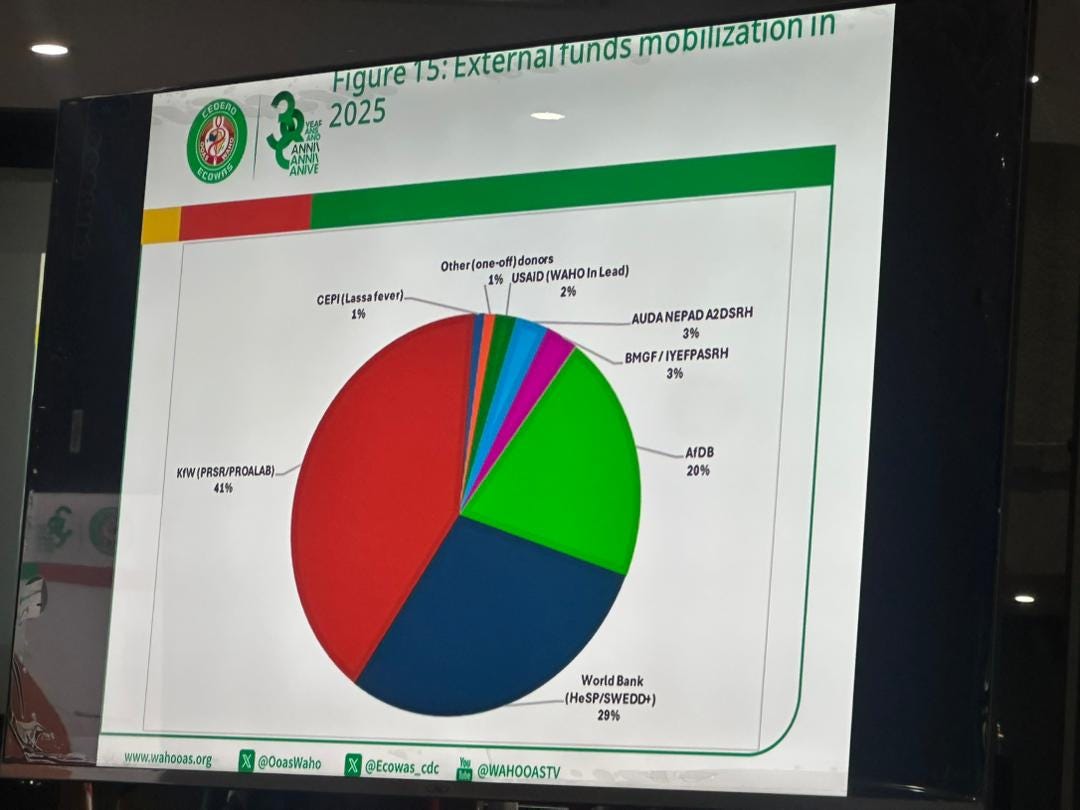
Against that backdrop, Dr. Fallah set out an ambitious target.
“We have a projection to double our budget from $47 million in 2018 to $100 million in 2026… So there is a strong need for domestic resource mobilisation to achieve this“
~Dr. Aruba Fallah
The ambition is clear, but with ECOWAS covering just 26% of WAHO’s budget and traditional donors retreating, the path to $100 million runs through domestic resource mobilisation — a conversation the region can no longer defer.
This makes what comes next consequential.
“A malaria-free ECOWAS region is possible,” Dr. Murindahabi told delegates. “It is an achievable goal with political will, adequate investment, and regional solidarity.”
That solidarity must now be financial. Without it, West Africa’s boldest public health ambition risks becoming its most expensive unfulfilled promise.
Subscribe to Africa Health Watch
Get the latest health policy analysis and investigative journalism delivered straight to your inbox.
We respect your privacy. Unsubscribe at any time.